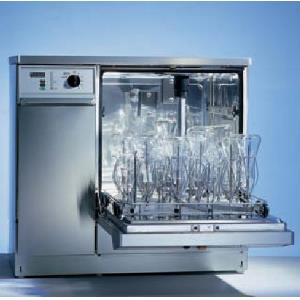
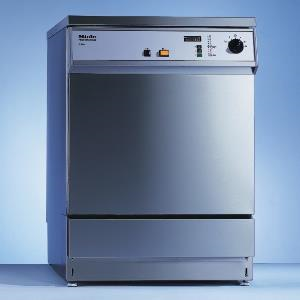
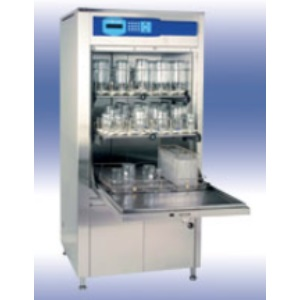
Laboratory glass washers, also known as laboratory dishwashers, are essential for ensuring consistent, reproducible cleaning of laboratory glassware and utensils. Used across research, clinical, pharmaceutical, and industrial laboratories, they help improve hygiene standards, reduce manual handling, and increase workflow efficiency. Selecting the right laboratory glass washer is key to maintaining sample integrity and meeting regulatory requirements.
🔍 Key Considerations When Selecting a Laboratory Glass Washer
1. Type of Laboratory Glass Washer - Laboratory glass washers are available in several configurations to suit different laboratory layouts and throughput requirements:
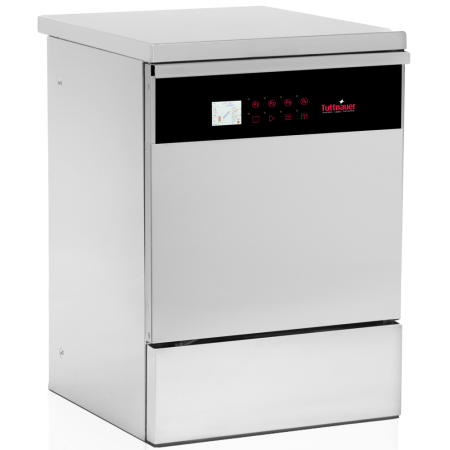
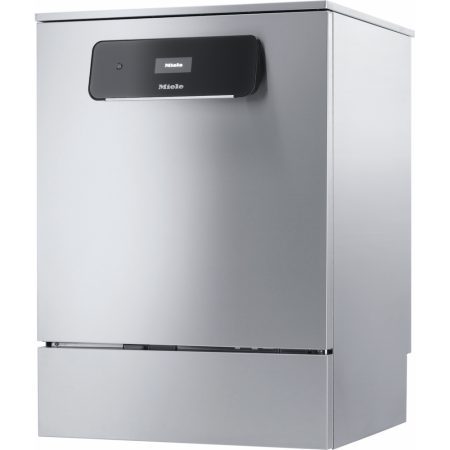
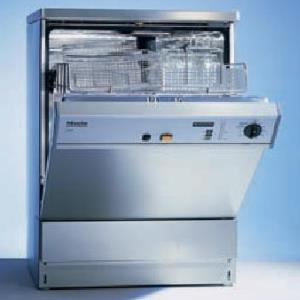
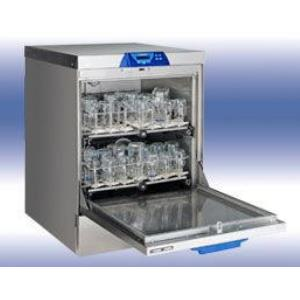
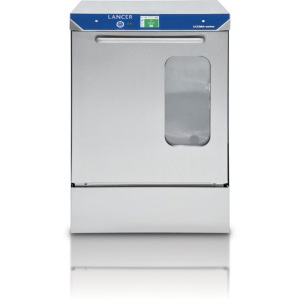
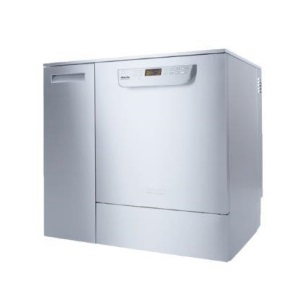
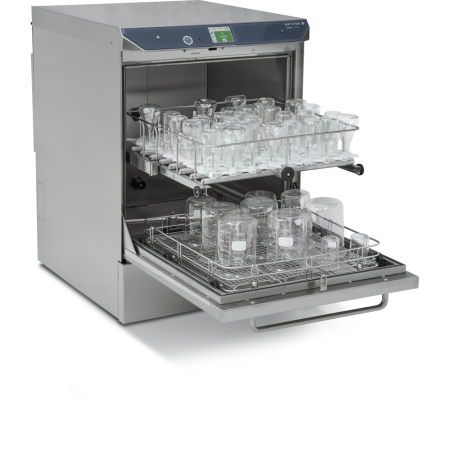
- Under-bench glass washers – Compact and space-saving, ideal for small to medium laboratories.
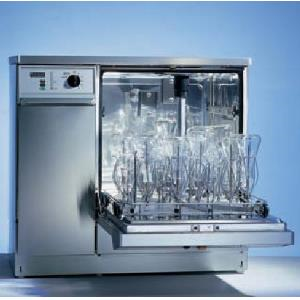
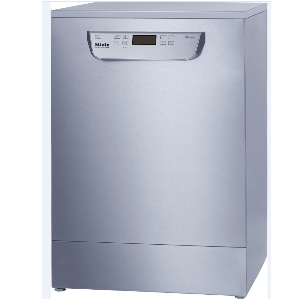
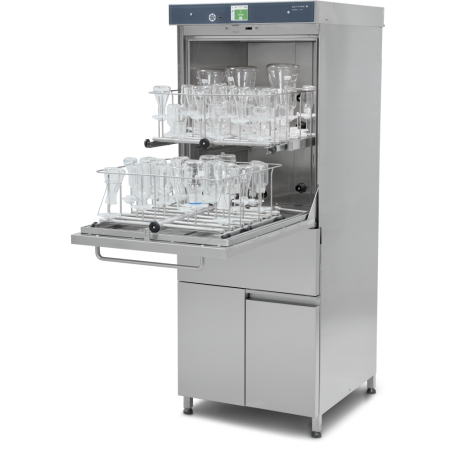
- Freestanding glass washers – Offer increased capacity and flexibility for multi-user environments.
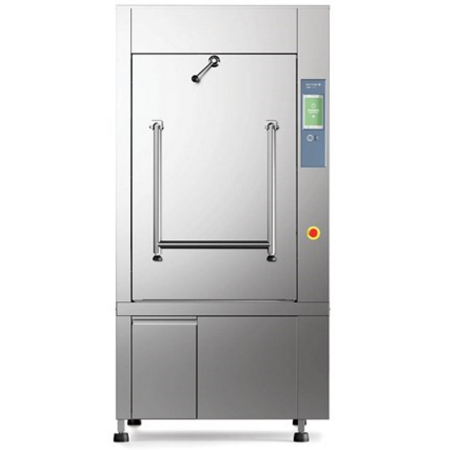
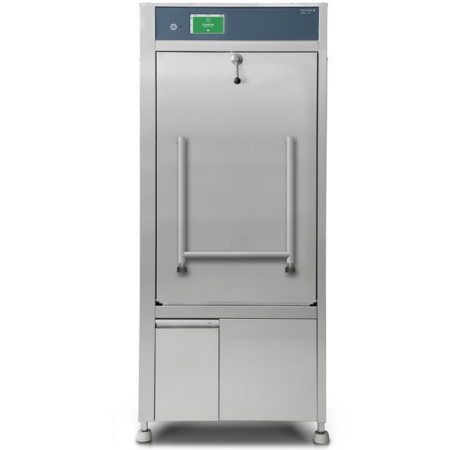
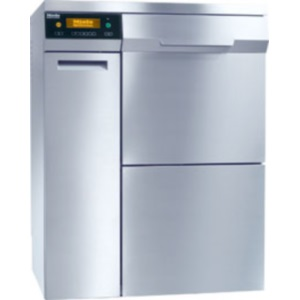
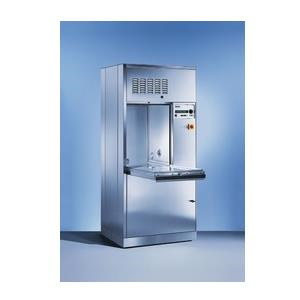
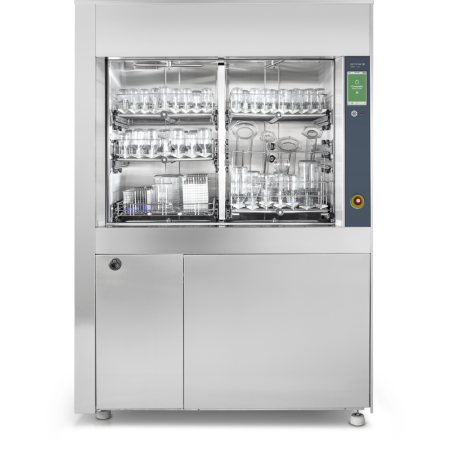
- Large-capacity or pass-through washers – Designed for high-throughput laboratories and cleanroom or controlled environments.
2. Cleaning Performance and Programmes - Effective cleaning relies on programmable cycles that can be tailored to different glassware types and contamination levels. Look for washers offering:
- Customisable wash, rinse, and drying cycles
- Adjustable water temperature and pressure
- Dedicated programmes for laboratory glassware, plastics, and utensils
Reliable cleaning performance ensures reproducibility and reduces the risk of cross-contamination.
3. Chamber Size and Load Capacity - Select a washer that matches your typical workload:
- Small capacity – Suitable for teaching labs or low-throughput environments.
- Medium capacity – Ideal for routine laboratory use. ~
- High capacity – Best for pharmaceutical, research, or industrial labs with large volumes of glassware.
Internal chamber design and spray arm configuration also affect loading efficiency and cleaning consistency.
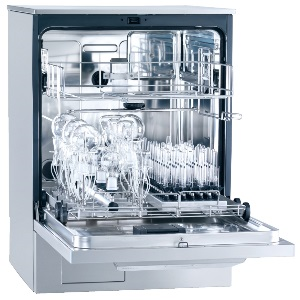
4. Racking and Accessories - A wide range of modular racks and inserts allows flexibility for different glassware types, including:
- Flasks, beakers, and test tubes
- Volumetric glassware
- Pipettes and narrow-necked vessels
Correct racking ensures thorough internal and external cleaning.
5. Drying Systems - Efficient drying is essential to prevent water marks and microbial growth. Common options include:
- Hot air drying – Fast and effective for most laboratory applications.
- HEPA-filtered drying – Provides enhanced air quality for sensitive or regulated environments.
6. Water and Energy Efficiency - Modern laboratory glass washers are designed to minimise water and energy consumption while maintaining high cleaning standards. Look for features such as:
- Load-sensing technology
- Optimised water usage per cycle
- Heat recovery systems
These features support sustainability and reduce running costs.
7. Data Logging and Compliance - Many laboratory washers now include digital controls, USB or network connectivity, and data recording. These features support GLP/GMP compliance, traceability, and quality assurance in regulated laboratories.
🛠 Example: Miele Laboratory Glass Washers
Miele is a well-known manufacturer of laboratory cleaning systems, offering a broad range of laboratory glass washers designed for precision, reliability, and long-term performance. Examples include:
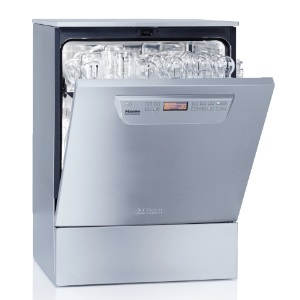
- Miele PG 8583 – A compact under-bench laboratory glass washer suitable for routine laboratory cleaning tasks.
- Miele PG 8593 – A freestanding model offering greater capacity and flexible racking options.
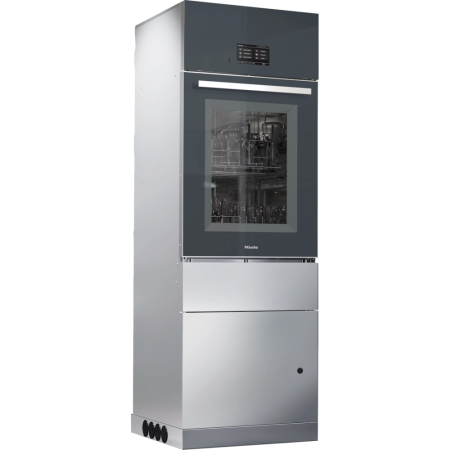
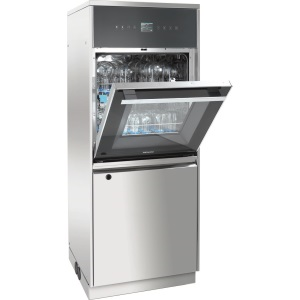
- Miele PLW Series – Designed for high-throughput and regulated environments, with advanced programme control and data connectivity.
These models demonstrate the variety of configurations available to suit different laboratory requirements.
💡 Quick Buying Tips
- Match washer size and configuration to laboratory space and throughput.
- Ensure compatible racking for all glassware types used.
- Choose programmable cleaning and drying cycles for flexibility.
- Consider water and energy efficiency for long-term cost savings.
- Look for data logging features if working in regulated environments.
🤔 Need Further Help?
If you are unsure which laboratory glass washer best suits your application, consult our sales team who will be happy to help go through options with you.