⚖️Top Pan Balances Buyers Guide
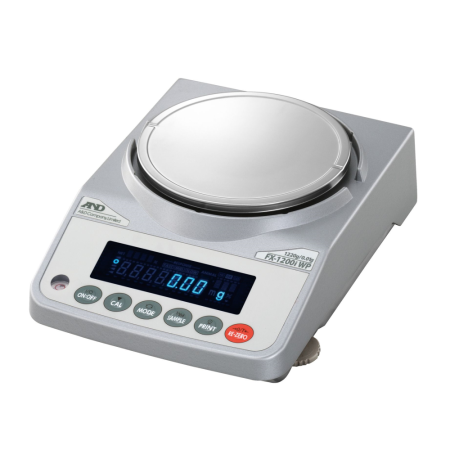
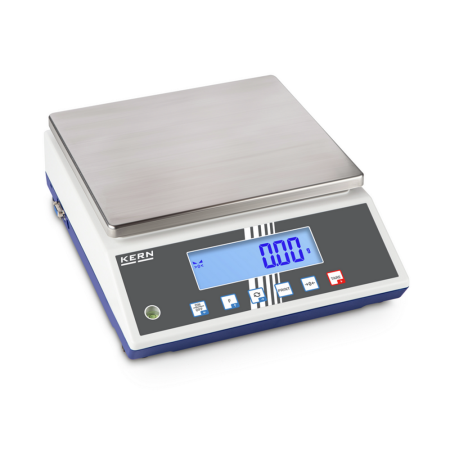
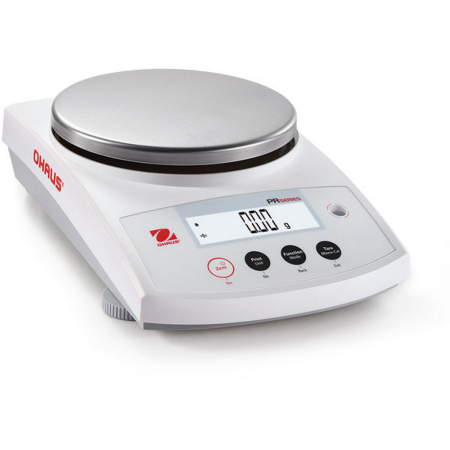
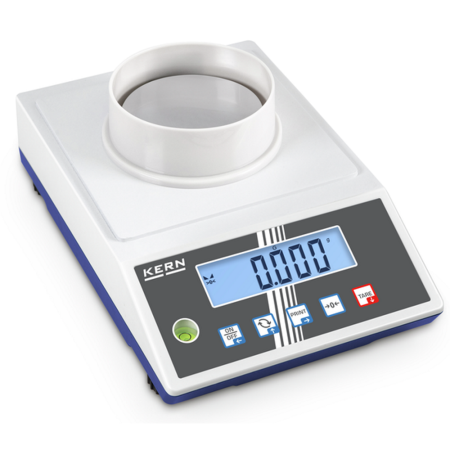
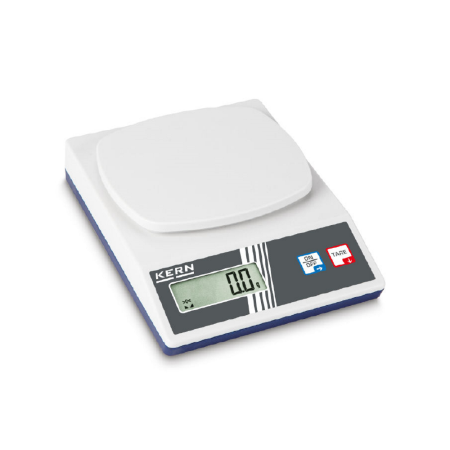
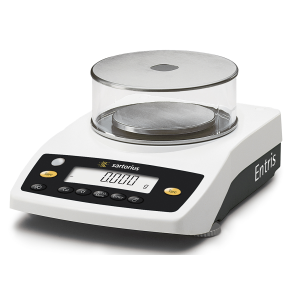
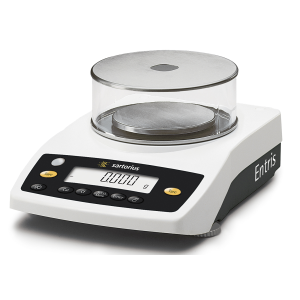
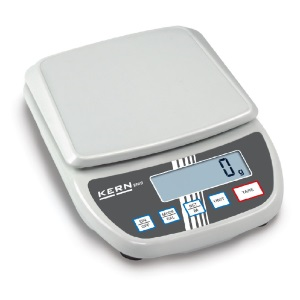
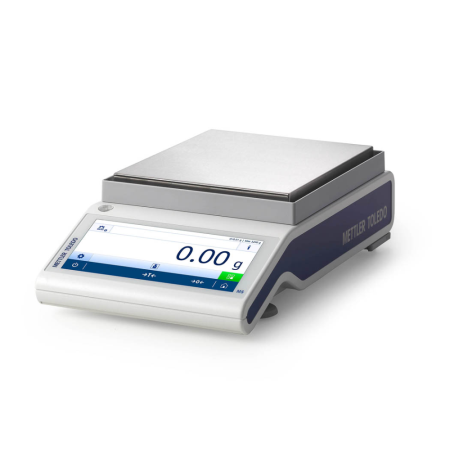
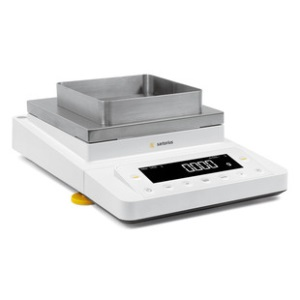
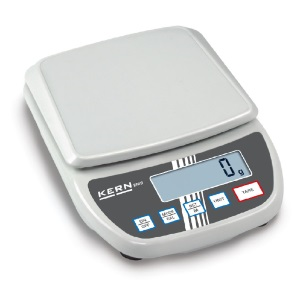
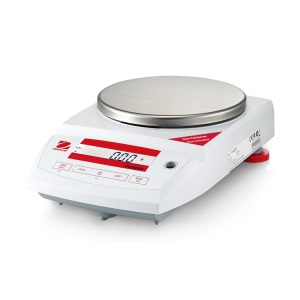
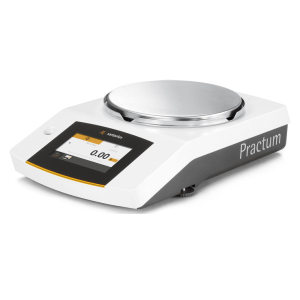
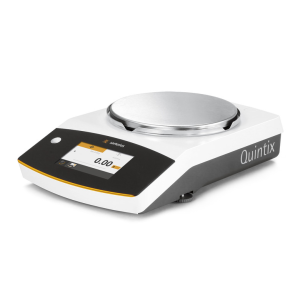
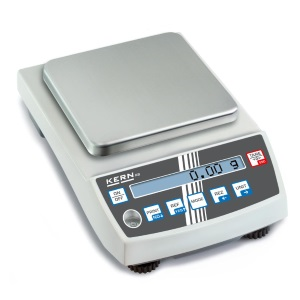
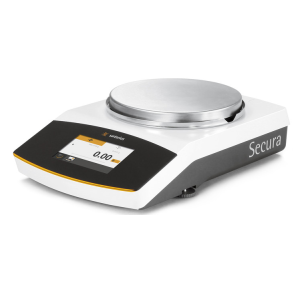
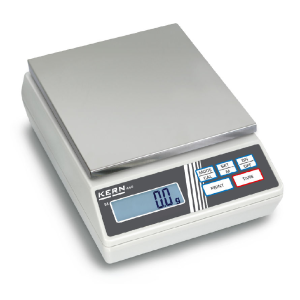
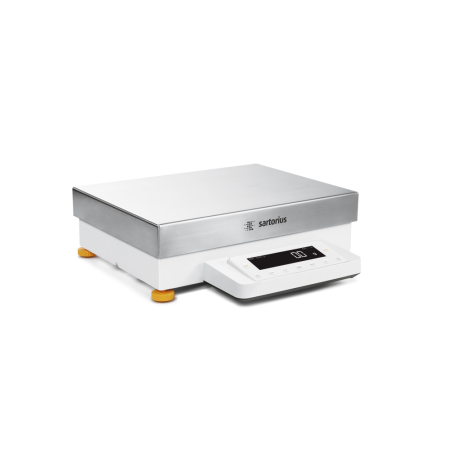
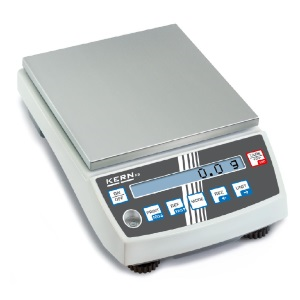
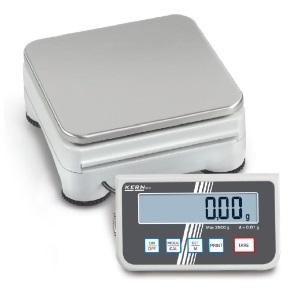
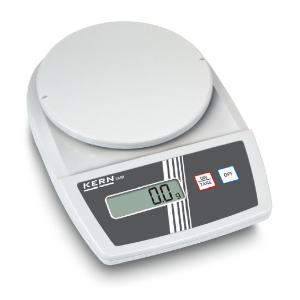
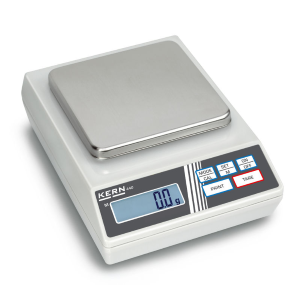
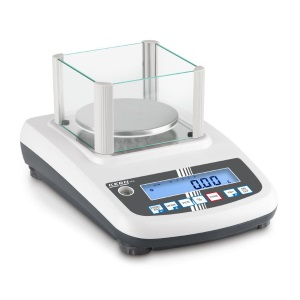
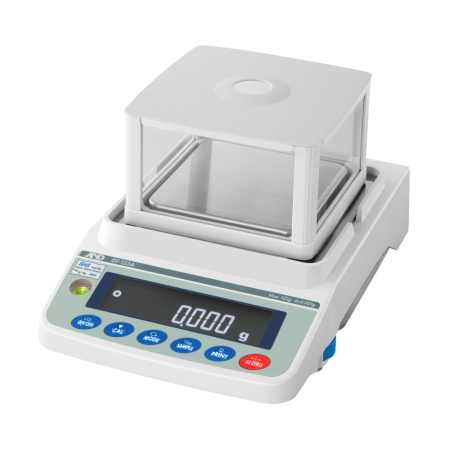
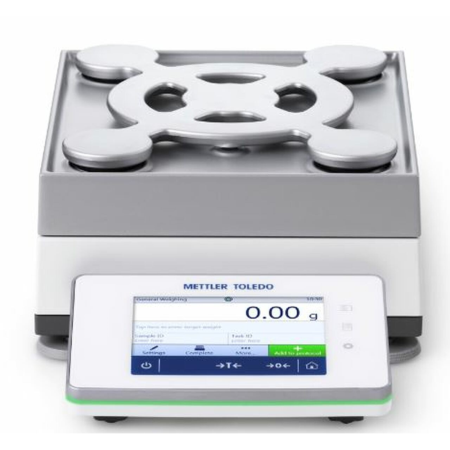
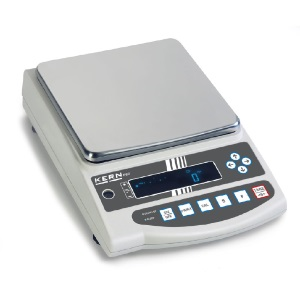
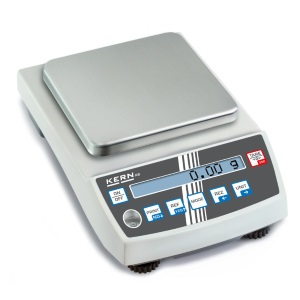
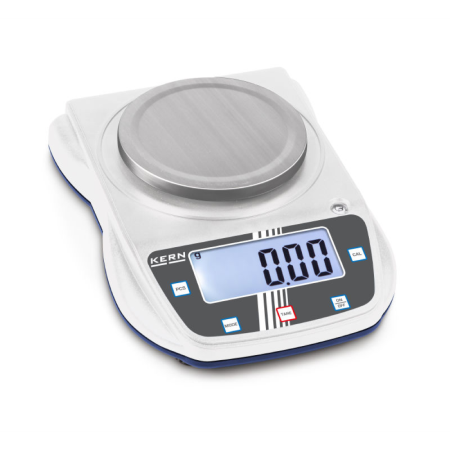
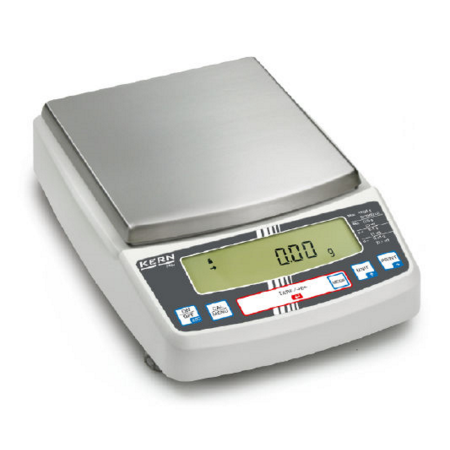
Top pan balances are indispensable weighing instruments in laboratories, research facilities, quality control environments, and educational settings. Sometimes referred to as top-loading balances, these devices provide easy access to the weighing platform and are designed for everyday tasks that do not require the ultra-fine precision of enclosed analytical balances. They offer a balance of accuracy, capacity, and ease of use — making them ideal for weighing chemicals, solids, and various materials during routine laboratory workflows.
🔍 Key Considerations When Choosing a Laboratory Top Pan Balance
1. Capacity and Readability
The most important specifications for a top pan balance are:
- Maximum capacity – The highest mass the balance can measure (typically from a few hundred grams up to several kilograms).
- Readability (resolution) – The smallest increment the balance can display (e.g., 0.001 g, 0.01 g, 0.1 g).
Higher capacity permits weighing larger samples or containers, while finer readability enhances measurement precision for smaller quantities. Choose the capacity and readability that match your routine weighing tasks.
2. Calibration Type
Balances may feature either:
- Internal calibration – Automatically adjusts accuracy with the press of a button or on a schedule.
- External calibration – Requires the use of certified calibration weights.
Internal calibration simplifies day-to-day use and helps maintain accuracy with minimal operator intervention.
3. Draft Shields and Environment
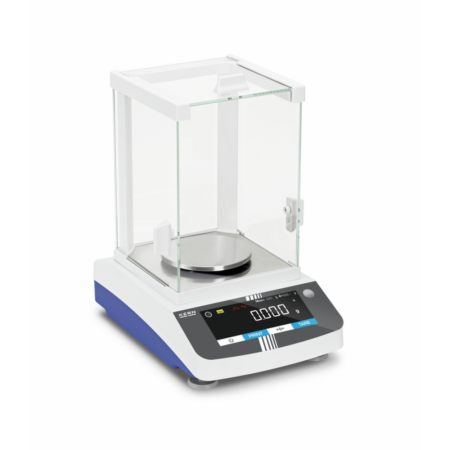
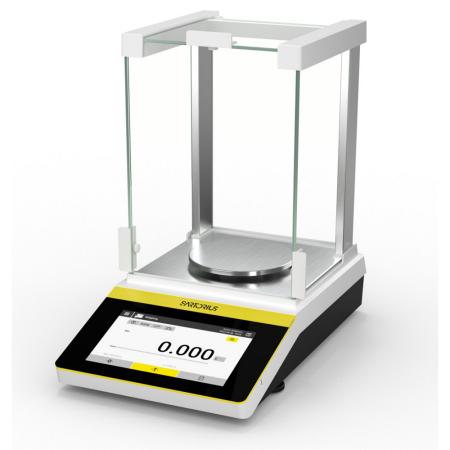
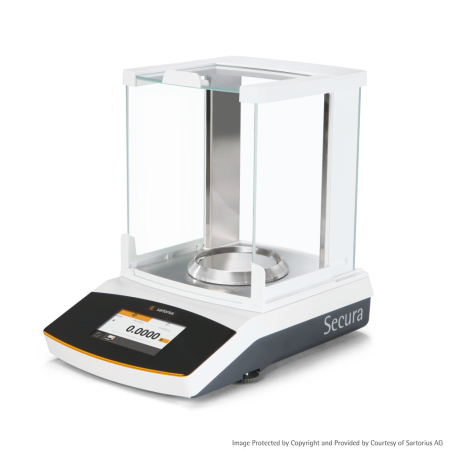
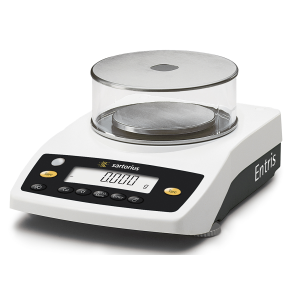
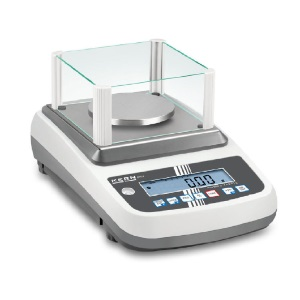
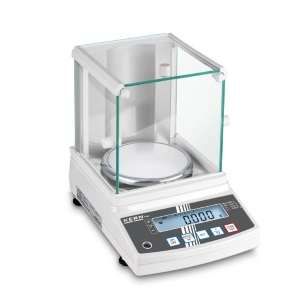
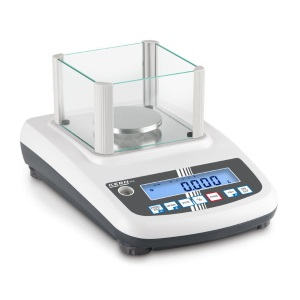
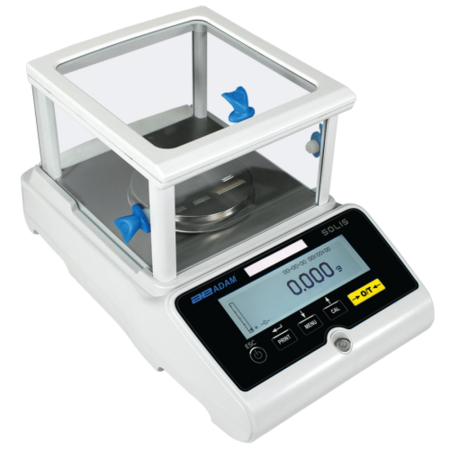
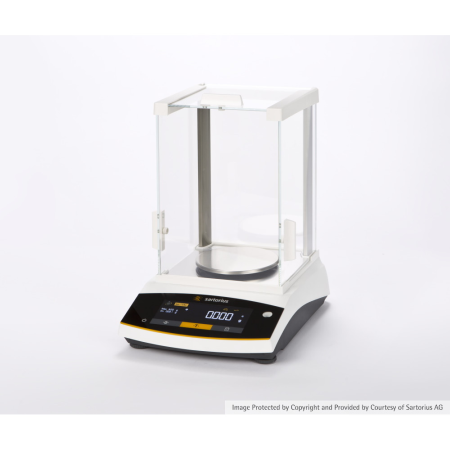
Although top pan balances are open-pan designs, some models offer optional draught shields to protect readings from air currents or laboratory traffic. In more controlled environments, such shielding may improve stability and precision.
4. Display and Controls
Modern top pan balances include intuitive digital displays (LCD or touchscreen) and simple controls for:
- Taring/zeroing
- Switching weighing units (g, mg, oz, etc.)
- Percentage weighing and parts counting functions (on more advanced units)
A clear, high-contrast display improves readability in busy lab settings.
5. Stability and Response
Time Response or stabilisation time determines how quickly the balance provides a stable reading. Faster stabilisation enhances workflow efficiency, especially when performing frequent measurements. Many laboratory top pan balances have stabilisation times of around 1–2 seconds.
6. Connectivity and Data Logging
For regulated environments or digital record-keeping, consider models with:
- USB, RS-232 or Ethernet connectivity
- Compatibility with Laboratory Information Management Systems (LIMS)
- On-board data logging
These features can help support GLP/GMP compliance and simplify documentation.
7. Footprint and Lab Space
Top pan balances are known for their compact footprint, enabling flexible placement on benches or weighing stations. However, you should ensure sufficient clearance around the unit to avoid drafts and interference. Larger weighing pans may require additional bench space.
🛠 Example: Ohaus Top Pan Balances
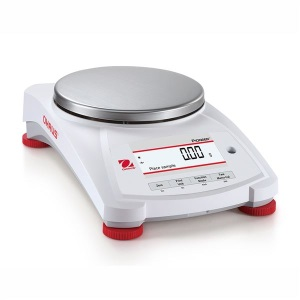
Ohaus is a respected manufacturer of laboratory and industrial weighing instruments, producing a range of top pan balances suitable for diverse applications. Examples of top pan balances commonly used in laboratories include:
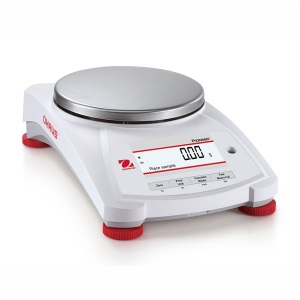
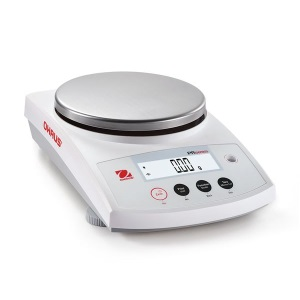
- Ohaus Pioneer™ Top Pan Balances – Reliable general-purpose models suitable for routine weighing tasks.
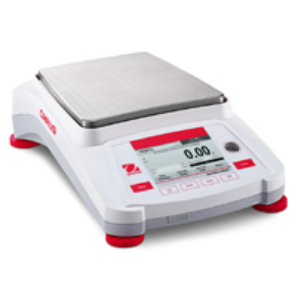
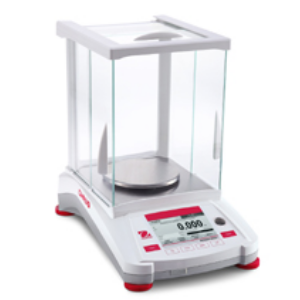
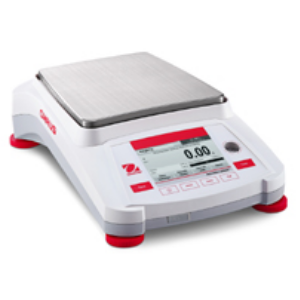
- Ohaus Adventurer™ Series – Offers higher capacity and additional features such as internal calibration and expanded weighing functions.
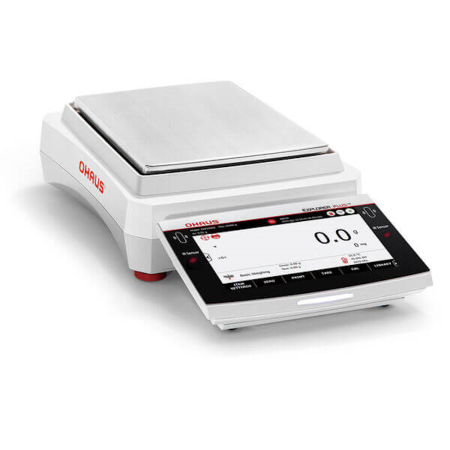
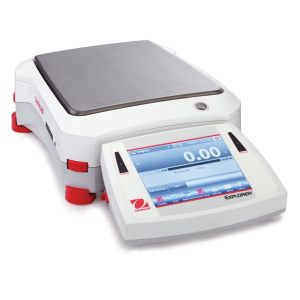
- Ohaus Explorer™ Top Pan Balances – Designed for advanced workflows with enhanced precision, intuitive controls, and robust connectivity options for data management.
Ohaus balances are widely used in scientific, quality control, and educational labs due to their robust construction, accuracy, and ease of use — illustrating typical feature sets available in the current market.
💡 Quick Buying Tips
- Match capacity and readability to your routine weighing tasks.
- Choose internal calibration if ease of use and repeat accuracy are top priorities.
- Look for optional draught shields if weighing very light or fine samples.
- Ensure connectivity options align with your lab’s data-management needs.
- Consider stability and response time for high-throughput environments.
🤔 Need Expert Advice?
If you’re unsure which top pan balance is most suitable for your laboratory application, please consult one of our sales team who will be happy to talk through your requirements. You can find best contact details at https://www.wolflabs.co.uk/contact-us
Product Category: Balances - Top Pan
Manufacturer: Ohaus