💧 Laboratory Water Purification Systems Buyers Guide
Laboratory water purification systems are essential for producing high-purity water used in a wide range of scientific applications, including analytical testing, cell culture, molecular biology, chromatography, and pharmaceutical research. Consistent water quality is critical to ensure accurate results, prevent contamination, and maintain compliance with laboratory standards.
Selecting the right laboratory water purification system depends on required purity grade, daily usage, application type, and regulatory requirements.
🔍 Key Considerations When Selecting a Laboratory Water Purification System
1. Water Purity Grades (Type I, II, and III)
Laboratory water systems are typically classified by the level of purity they produce:
- Type I (Ultra-pure water) – Used for critical applications such as HPLC, PCR, mass spectrometry, and molecular biology. Extremely low levels of ions, organics, and particulates.
- Type II (Pure water) – Suitable for buffer preparation, microbiological media, and general laboratory use.
- Type III (Primary grade water) – Often used as feed water for Type I systems or for non-critical applications such as glassware washing.
Understanding the required water grade is essential to selecting the correct purification system.
2. Feed Water Quality and Source
Laboratory water purification systems depend heavily on the quality of incoming feed water. Common feed sources include:
- Mains tap water
- Pre-treated RO (reverse osmosis) water
- Deionised water supply
Systems may require pre-filtration or conditioning depending on hardness, chlorine content, or microbial load.
3. System Configuration and Installation Type
Water purification systems are available in different configurations to suit laboratory layout and usage:
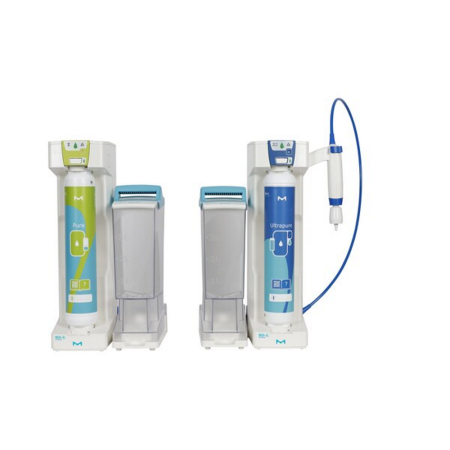
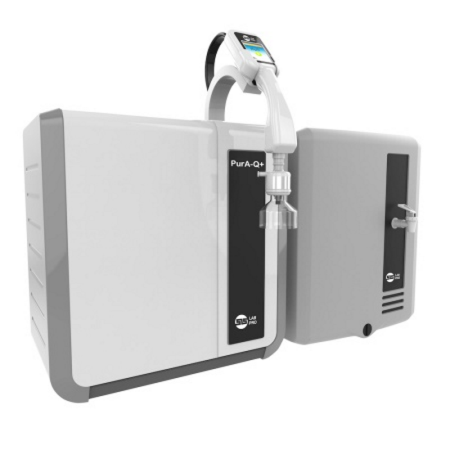
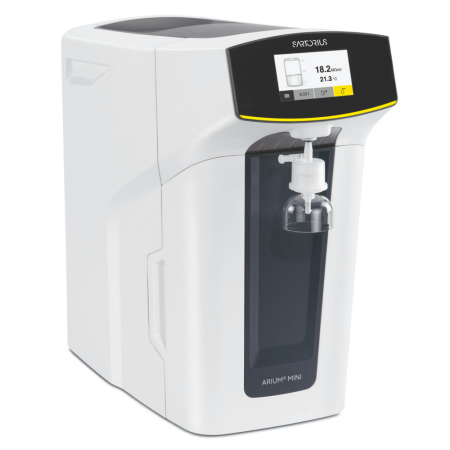
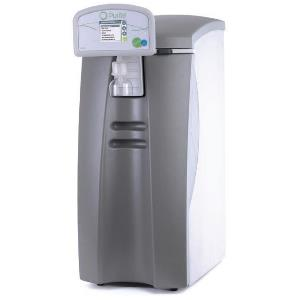
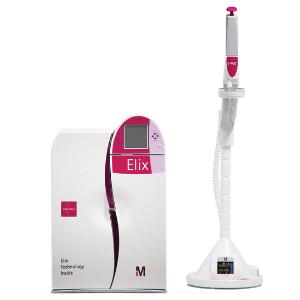
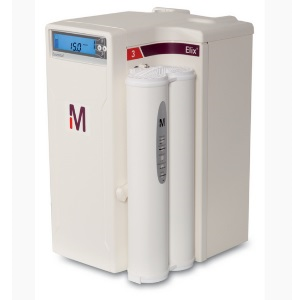
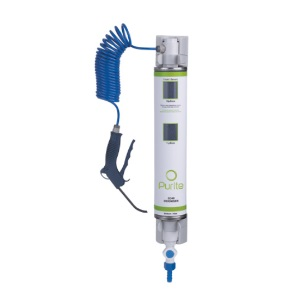
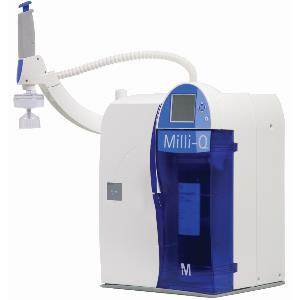
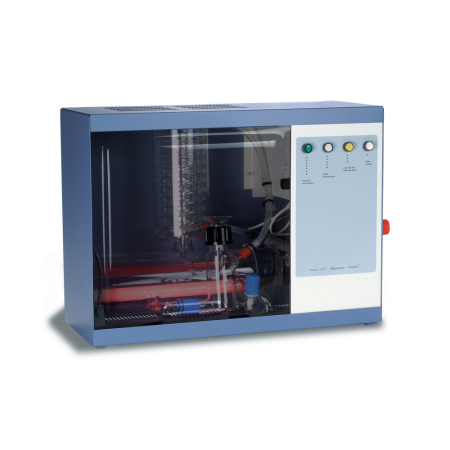
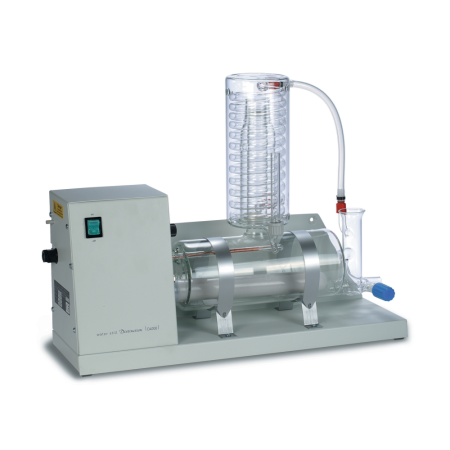
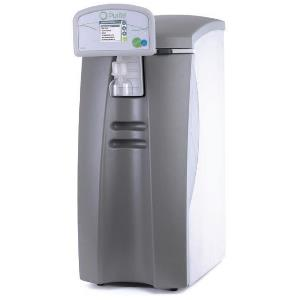
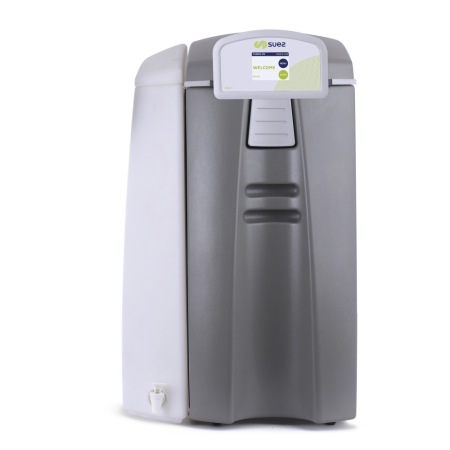
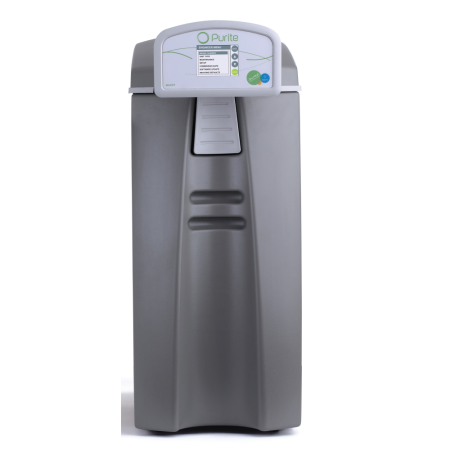
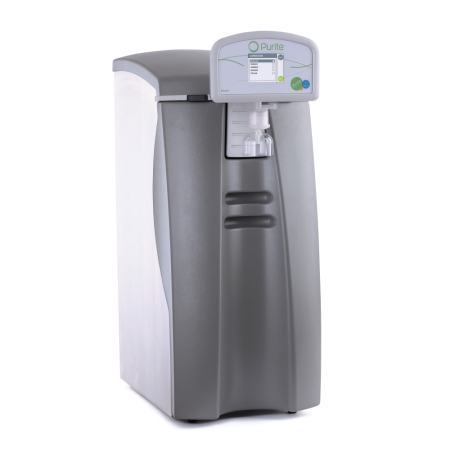
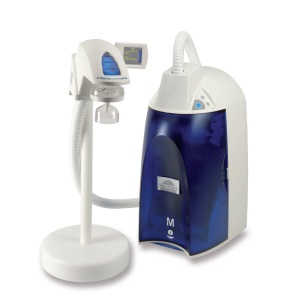
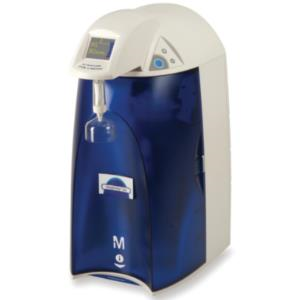
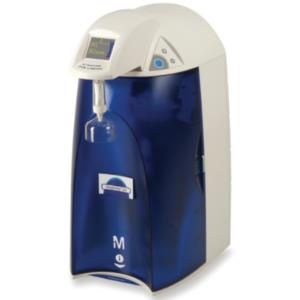
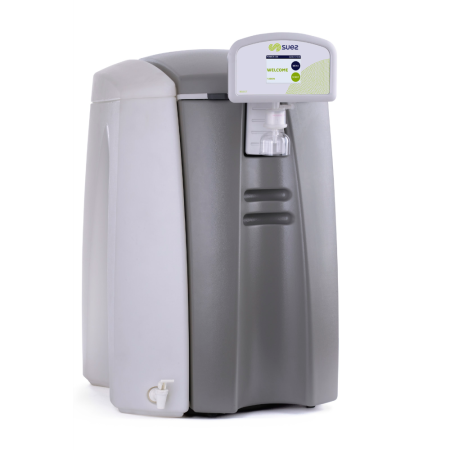
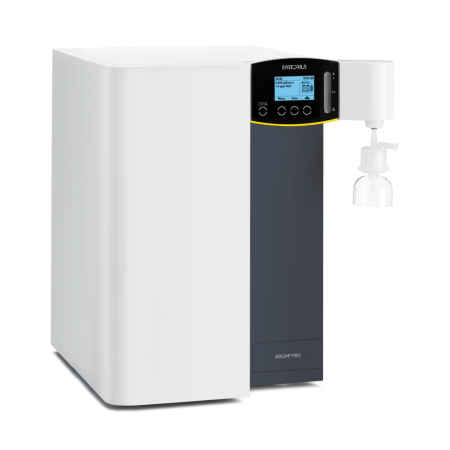
- Bench-top systems – Compact and ideal for small laboratories or point-of-use applications
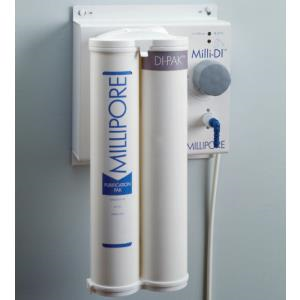
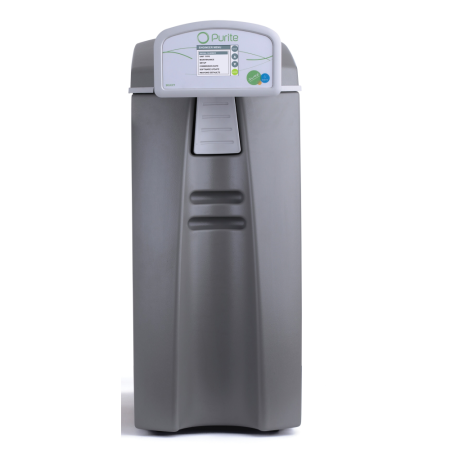
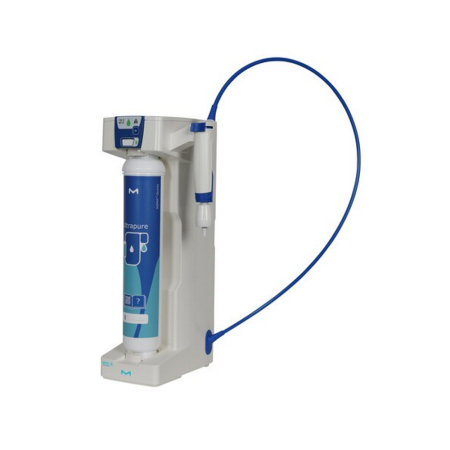
- Wall-mounted systems – Save bench space and support continuous supply
- Centralised systems – Provide purified water to multiple outlets across a laboratory or facility
Choosing the correct configuration ensures efficient workflow integration and space utilisation.
4. Purification Technologies
Modern laboratory water systems use a combination of purification methods to achieve required standards, including:
- Reverse osmosis (RO)
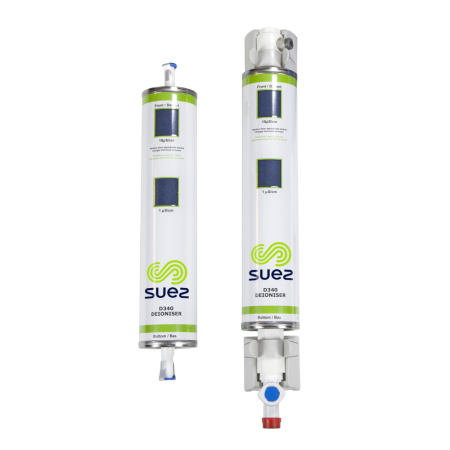
- Deionisation (ion exchange resins)
- UV oxidation (TOC reduction and microbial control)
- Ultrafiltration (endotoxin and pyrogen removal)
- Activated carbon filtration
The combination of technologies determines final water quality and suitability for specific applications.
5. Flow Rate and Daily Demand
Water consumption varies significantly depending on laboratory activity. Key considerations include:
- Litres per hour (L/h) output capacity
- Daily usage demand
- Peak draw-off requirements
- Storage tank capacity (if applicable)
Selecting a system with adequate capacity ensures uninterrupted access to purified water during peak laboratory use.
6. Monitoring, Control and Data Logging
Modern systems often include advanced digital interfaces for monitoring water quality. Look for features such as:
- Resistivity and conductivity monitoring
- Total Organic Carbon (TOC) measurement
- Temperature compensation Real-time water quality display
- Data logging and export for compliance purposes
These features are particularly important in regulated environments such as pharmaceutical and clinical laboratories.
7. Maintenance and Consumables
Ongoing maintenance is essential to ensure consistent water quality. Consider:
- Cartridge and filter replacement frequency
- Ease of maintenance and servicing access
- Availability of consumables and service support
- Automated alerts for replacement schedules
Low-maintenance systems can reduce downtime and operating costs.
8. Compliance and Validation
For laboratories operating under regulated standards, compliance is a key requirement. Important considerations include:
- GLP/GMP compliance support
- IQ/OQ validation documentation
- Calibration certificates
- Traceability of water quality data
Reliable compliance documentation ensures suitability for audited environments.
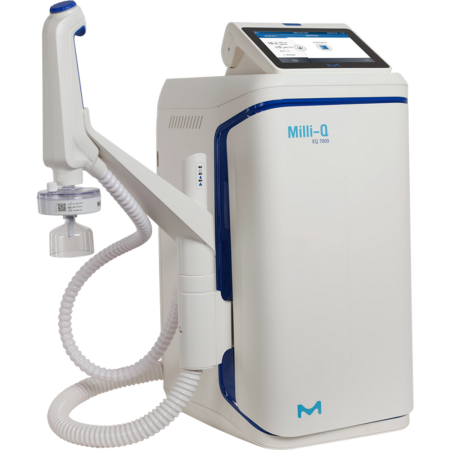
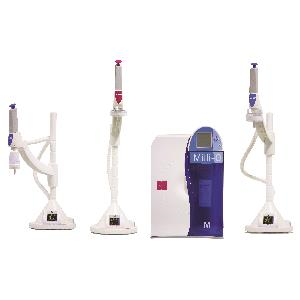
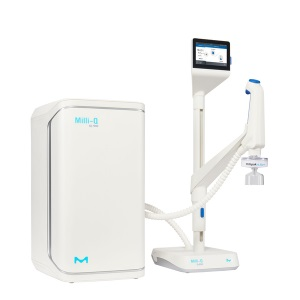
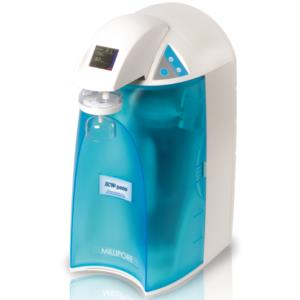
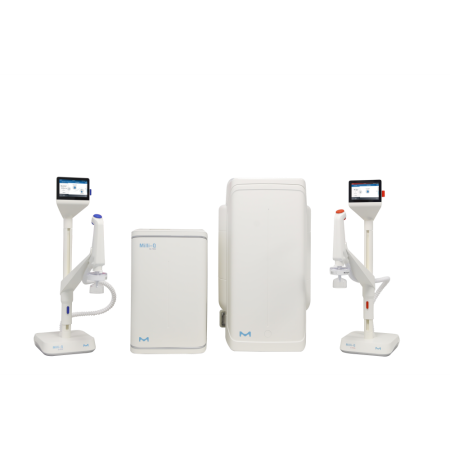
🛠 Example: Merck Life Science UK (Millipore) Water Purification Systems
Merck Life Science UK, operating under the Millipore brand, is a widely recognised provider of laboratory water purification systems used in research, clinical, and pharmaceutical environments.
Their systems are designed to deliver consistent water quality across different purity grades, with features commonly including:
- Production of Type I, II, and III laboratory water
- Integrated monitoring of resistivity, conductivity, and TOC
- UV and ultrafiltration technologies for high-purity applications
- Compact bench-mounted and wall-mounted system options
- Digital interfaces for real-time monitoring and data management
Millipore systems are commonly used in analytical laboratories, biotechnology research, and regulated pharmaceutical environments where reliable and validated water quality is essential.
💡 Quick Buying Tips
- Match water purity grade to your specific laboratory applications
- Assess daily water demand and peak usage requirements
- Consider available bench space and installation options
- Ensure monitoring systems meet regulatory and audit requirements
- Factor in ongoing maintenance and consumable replacement costs
- Check compatibility with existing laboratory infrastructure
🤔 Need Expert Guidance?
If you are unsure which laboratory water purification system best suits your application, please contact our sales team on sales@wolflabs.co.uk and a member of our team will be happy to assist.
Product Category: Water Purification
Manufacturer: Merck Life Science UK (Millipore)