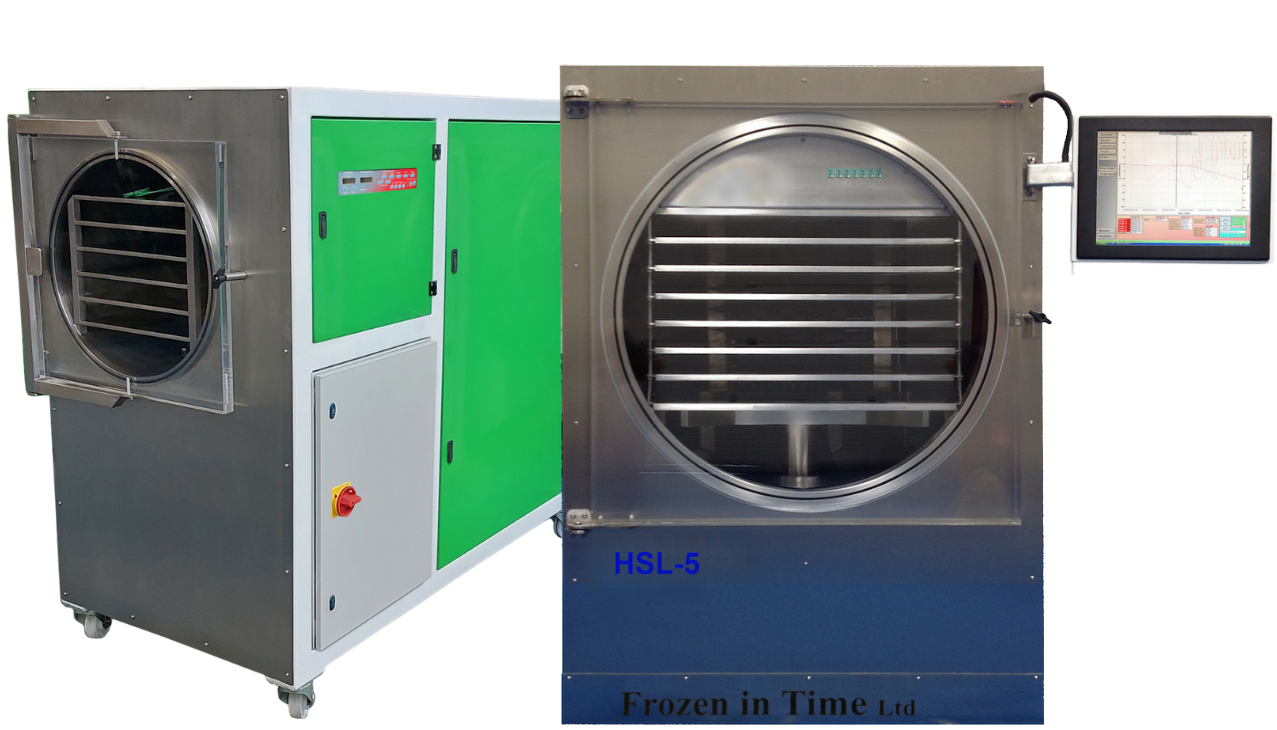
Why Invest in a Freeze Dryer? Unlocking the Potential of Lyophilisation for Your Operation
If you’re involved in manufacturing, laboratory work or food preservation, investing in the right freeze-drying equipment can be transformative. As the method of freeze drying (or lyophilisation) becomes ever more accessible, knowing how it works, what to look for in a machine, and how to apply it effectively will help you make an informed decision.
What is Freeze Drying – and Why It Matters
Freeze drying is a process that removes water from a frozen product through sublimation (i.e., ice turns directly into vapour) rather than simply evaporating liquid water.
By doing so, the structure, stability and potency of sensitive materials (such as pharmaceuticals, flavours or biological samples) can be preserved. As one industry article puts it, effective lyophilisation means “the drugs remain stable without the need for refrigeration” (adapted).
In practical terms, for anyone purchasing a freeze dryer, these benefits translate into:
- Extended shelf life for your product (fewer spoilage risks).
- Reduced reliance on cold-chain logistics, meaning easier storage and transport.
- Greater flexibility in formulation and distribution – especially for sensitive or high-value items.
The Key Advantages of Freeze-Drying Equipment
When selecting your freeze dryer, it’s worth emphasising some of the main benefits that you can market or leverage operationally:
- Improved stability and quality: Freeze-dried items retain their structural integrity, potency and, where relevant, taste or texture.
- Global distribution made easier: Once lyophilised, many products no longer require continuous refrigeration, which is a strong benefit if your supply chain goes overseas or to remote locations.
- Process versatility: Whether you’re using a smaller batch machine or a high-volume system, modern freeze dryers offer a range of process control features (temperature, vacuum, humidity) to fit your specific product needs.
- Competitive edge: For businesses, using advanced freeze-drying equipment is increasingly seen as part of staying ahead — delivering higher-quality, more stable products, and meeting regulatory or logistical demands.
Choosing the Right Freeze Dryer: What to Consider
Buying a freeze dryer isn’t simply “pick the biggest” or “choose the cheapest”. It's about matching machine capability with your product and process. Here are key selection criteria:
- Capacity and throughput
- How many units or how much raw material will you process per cycle or per day? The machine needs to match your production scale.
- Temperature and vacuum range
- The machine must offer freezing, sublimation and secondary drying regimes appropriate for your product. For example, some materials require ultra-low temperatures, precise shelf control, or deep vacuum.
- Freezing method / freeze in place capability
- Some machines allow the product to be frozen inside the drying chamber. Others require pre-freezing separately. The method you choose will affect cycle time, throughput and flexibility.
- Process control & automation
- Advanced machines include recipe management, sensors, logging and automation. These features deliver repeatability, critical for sensitive or regulated products.
- Maintenance, service and total cost of ownership
- Consider energy consumption, consumables (vacuum pump oil, filters), ease of cleaning, and service support. The lifetime cost may far exceed the initial purchase price.
- Footprint & infrastructure requirements
- The machine size, power supply, workshop height and floor space all matter. Make sure you have the right physical conditions.
Steps to Use Your Freeze Dryer Effectively
Once you’ve selected your machine, proper use is essential for achieving the expected benefits. Here’s a simplified workflow:
- Pre-freeze the product until it is fully solidified (to avoid issues with un-frozen pockets).
- Evacuate the chamber to the target vacuum to enable sublimation.
- Apply shelf heating (or other energy input) carefully so that sublimation occurs without product collapse.
- Secondary drying (desorption) removes the residual bound moisture – critical for long shelf-life.
- Unload and package immediately under inert atmosphere if required, to preserve the dry state.
Maintenance best practice includes checking vacuum pump oil, cleaning seals and ensuring the cold trap is defrosted and cleared regularly.
What to Look for If You’re Buying – A Buyer’s Checklist
If you’re in the market for a freeze dryer, here are some practical tips:
- Ask for documented cycle times for your product type (or similar).
- Check whether the machine has freeze-in-place capability (if that suits your production).
- Ensure spare parts and consumables are readily available locally or in Europe/UK.
- Explore warranty terms and after-sales service – many machines may seem “plug and play” but will need maintenance over time.
- Consider energy efficiency: freeze-drying is more costly than simple drying, so efficiency counts.
- Plan for space: height clearance, floor loading, electrical supply and ventilation all matter.
Trends & Future Opportunities in Freeze Drying
The freeze drying sector is evolving. Some key forward-looking points to keep in mind:
- Machines are becoming more automated and equipped with data logging, process analytics and monitoring.
- There is growing demand from biologics, vaccines and personalised therapies for specialist freeze-drying solutions (beyond standard small-molecule drugs).
- Continuous freeze-drying systems (rather than traditional batch) are gaining traction for high-volume operations.
- Sustainability and energy efficiency are becoming more prominent – minimising power usage and improving throughput will drive future equipment choices.
Final Thoughts
Whether you are a laboratory researcher, a pharmaceutical manufacturer, or a food-processing business, the right freeze-drying equipment can make a significant difference in product quality, shelf life, logistics and cost-efficiency. By understanding the freeze-drying process, carefully selecting a machine to match your needs and maintaining best practice in operation, you’ll be well placed to leverage the full benefits of lyophilisation.
If you’re considering purchasing a freeze dryer you can check out our full range HERE.
