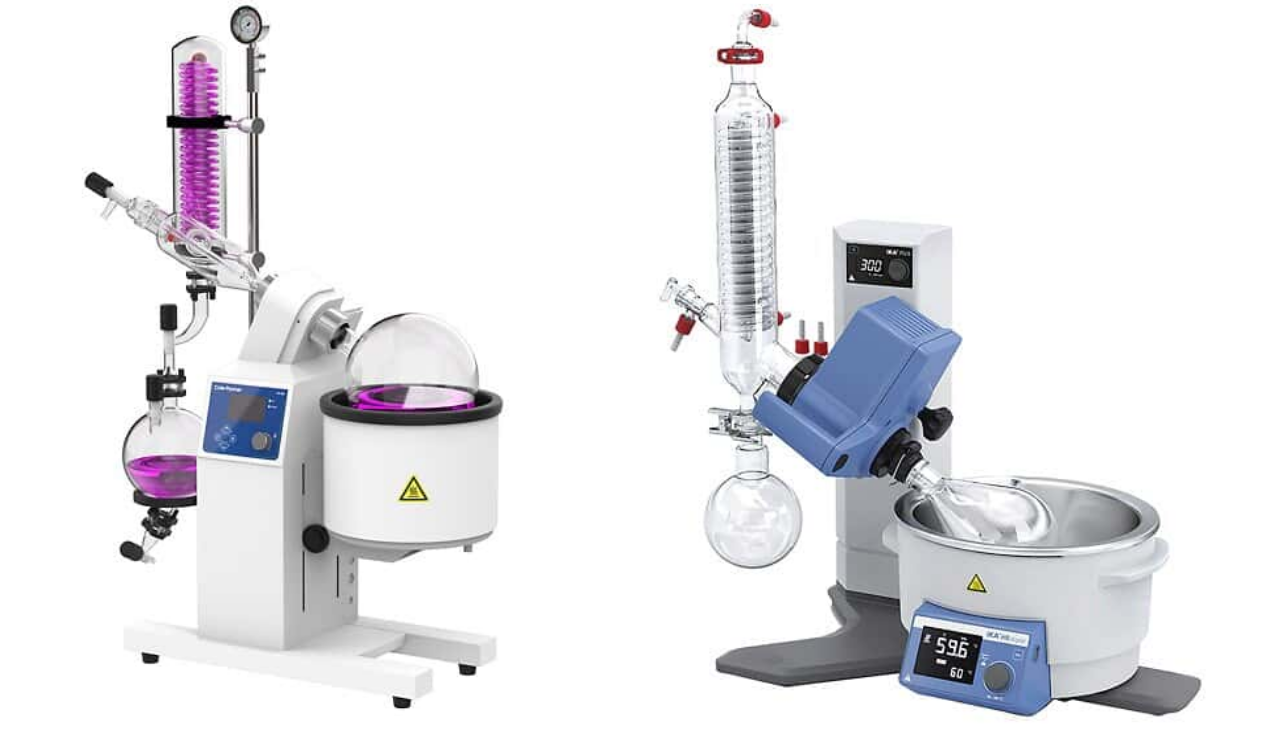
10 Tips for Optimal Rotary Evaporation: A Practical Guide
Rotary evaporation (or rotovaping) is a cornerstone technique in many chemistry labs, from academic research to pharmaceutical processing. Whether you’re concentrating extracts, removing solvents, or recovering valuable compounds, mastering rotary evaporation can make your workflows safer, faster, and more reproducible.
In this guide, we share 10 essential tips for optimal rotary evaporation — helping both experienced operators and those new to the technique get the best performance from their equipment.
1. Choose the Right Rotary Evaporator for Your Needs
Before diving into operation, it’s worth selecting the right rotary evaporator system. Think about:
- Evaporation capacity (how much solvent you need to remove)
- Heating bath size and temperature range
- Condenser type (vertical vs diagonal)
- Vacuum control integration
Modern units with digital interfaces and automated controls can significantly improve consistency, especially in busy labs.
2. Use Appropriate Glassware
The quality and fit of the glassware directly influence efficiency. Ensure your round‑bottom flask is the correct size for the condenser and bath. Larger flasks increase surface area for evaporation, but overcrowding reduces efficiency.
Check all glassware for cracks, chips and proper connections before use — leaks will impair performance and waste time.
3. Maintain a Clean and Dry Heating Bath
Heating baths provide the thermal energy needed to gently drive solvent evaporation. Whether you use water or oil baths, it’s crucial to:
- Maintain the correct fluid level
- Avoid contamination
- Replace bath fluids as recommended by the manufacturer
Clean baths heat more evenly and reduce the risk of bumping (sudden boiling), which can carry liquid into the condenser or vacuum line.
4. Optimise Rotation Speed
The rotation of the flask increases the effective surface area of your sample, improving heat transfer and solvent evaporation. However, too fast a rotation can cause splashing or bumping, while too slow makes the process inefficient.
A general rule of thumb is to start at a moderate speed and adjust based on solvent volatility and flask filling volume.
5. Apply Appropriate Vacuum Control
Good vacuum management is central to effective rotary evaporation. Lowering the pressure reduces solvent boiling points — making evaporation faster and gentler. However:
- Too strong a vacuum can lead to bumping
- Too weak a vacuum slows the process
Digital vacuum controllers help maintain stable pressure, compensating for solvent changes and minimising manual adjustments.
6. Ensure Effective Condensation
Efficient condensation prevents solvent vapour from escaping and enables recovery of valuable liquids. Coolers or chillers should be matched to your solvent’s boiling point and rotational rate. Inadequate cooling leads to vapour loss and reduced recovery yield.
A well‑set condenser minimises solvent in waste traps and improves lab safety.
7. Prevent Bumping with Proper Techniques
Bumping occurs when a liquid suddenly boils over — a common issue during rotary evaporation. You can reduce bumping by:
- Adding boiling chips or anti‑bumping granules
- Starting with a lower vacuum, then decrease gradually
- Adjusting rotation and bath temperature slowly
Preventing bumping increases safety and protects your glassware from splashes and breakage.
8. Use Solvent Traps and Cold Traps
As solvent vapour travels from the evaporating flask to the vacuum pump, it can condense prematurely or contaminate the pump. Installing solvent traps or cold traps protects your vacuum system and improves longevity.
Cold traps reduce solvent load on pumps and facilitate easier waste disposal.
SEO TOOLS: solvent trap, cold trap, vacuum pump protection
9. Monitor Temperature Gradients Closely
Temperature control is a balancing act: the heating bath should be warm enough to encourage evaporation without exceeding the thermal tolerance of your compound.
Keep a close eye on:
- Bath temperature
- Condenser coolant temperature
- Sample visibility
Some systems include integrated thermocouples and displays to make this easier.
10. Maintain and Service Your Equipment Regularly
Like all precision laboratory apparatus, rotary evaporators require ongoing care. Regular maintenance includes:
- Replacing worn seals and gaskets
- Checking glassware integrity
- Calibrating vacuum controllers and sensors
- Cleaning bath fluids and condenser coils
A neglected unit will drift in performance and ultimately cost more in downtime and repair than routine servicing.
Why These Tips Matter
Optimising rotary evaporation improves:
- Efficiency: Faster solvent removal with less energy input
- Yield: Better recovery of target compounds
- Reproducibility: Consistent results between runs
- Safety: Fewer vacuum or glassware failures
For labs considering a new rotary evaporator purchase, choosing equipment with automated controls, digital vacuum regulation, condensers with high surface area and robust software support will future‑proof workflows and improve outcomes.
Final Thoughts
Rotary evaporation may seem straightforward, but the subtleties of solvent choice, vacuum dynamics, glassware selection and heat control make all the difference between mediocre and exceptional results. Whether you’re a novice technician or a lab manager evaluating new equipment, these ten tips will help you maximise performance and protect your samples and staff.
If you’d like help comparing different rotary evaporator models or want to understand the impact of digital automation on productivity, feel free to ask — I’d be glad to assist.
If you’re looking for a rotary evaporator you can check out our entire ranger HERE.
