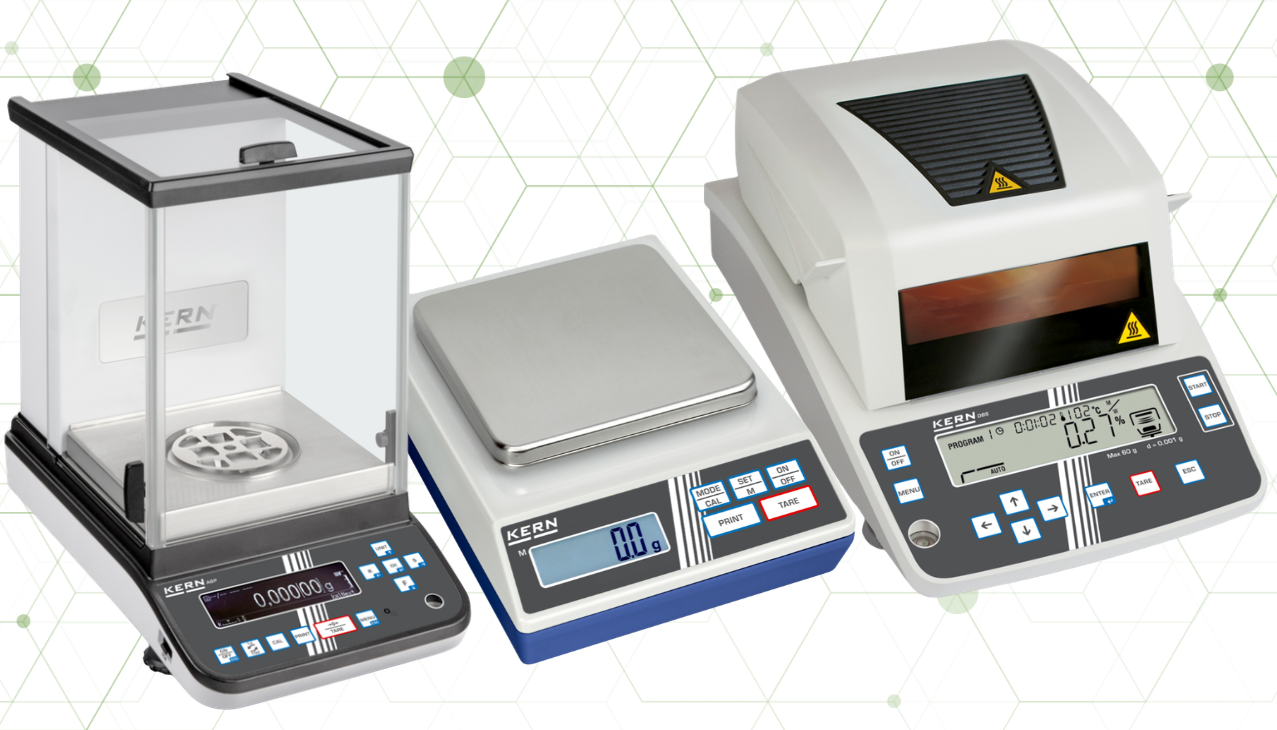
Laboratory Balances: A Guide to Types, Uses and Applications
Laboratory balances are essential for accurately weighing samples, chemicals and materials across a wide range of laboratory environments. From pharmaceutical research and chemical analysis to routine quality control, choosing the right laboratory balance helps ensure reliable results and efficient workflows.
With different models offering varying weighing capacities, levels of readability and features, it is important to understand which type best suits your application. In this guide, we explore the different types of laboratory balances available and their uses.
What Is a Laboratory Balance?
A laboratory balance is a weighing instrument used to determine the mass of a sample, substance or object. Depending on the model, balances can measure extremely small quantities with high resolution or accommodate larger, heavier materials.
Many laboratory balances also include features such as digital displays, calibration functions, tare weighing and data connectivity to support accurate and efficient laboratory work.
Types of Laboratory Balances and Their Uses
Analytical balances are widely used in laboratories requiring accurate and repeatable weighing. Typically offering readability of 0.1 mg (0.0001 g), they are suitable for weighing chemicals, powders and other samples where fine measurement resolution is important.
Most analytical balances feature an enclosed weighing chamber to protect samples from air currents that could affect results.
Common applications include:
- Sample preparation: Weighing chemicals and reagents for laboratory procedures.
- Solution preparation: Measuring ingredients for solutions of specified concentrations.
- Pharmaceutical testing: Supporting formulation development and quality control.
- Research laboratories: Providing precise measurements for experiments and analytical testing.
When choosing an analytical balance, consider its weighing capacity, readability, draft shield design and calibration functions.
Microbalances are designed for highly sensitive weighing applications, measuring extremely small sample quantities with exceptional resolution. They are commonly used in specialist research and analytical laboratories where even very small differences in mass can be significant.
Semi-micro balances also fall within this category, offering a slightly higher capacity while maintaining very fine readability.
Common applications include:
- Pharmaceutical research: Weighing small quantities of active ingredients and reference materials.
- Chemical analysis: Measuring tiny samples for sensitive analytical procedures.
- Materials research: Investigating the mass of small particles and specialist materials.
- Quality control: Supporting applications where highly sensitive measurements are required.
Microbalances often feature enclosed weighing chambers to minimise the effects of air movement. A stable working environment and careful handling are particularly important when using these instruments.
Top pan balances, also known as precision balances, are designed for everyday laboratory weighing. Offering a practical combination of weighing capacity, readability and ease of use, they are suitable for measuring a variety of samples and materials.
Available in different capacities and resolutions, top pan balances are versatile instruments for routine laboratory work.
Common applications include:
- Routine weighing: Measuring powders, chemicals and solid samples.
- Chemical preparation: Weighing ingredients for buffers, reagents and solutions.
- Formulation and mixing: Measuring materials during product development.
- Quality control: Checking sample and component weights against specifications.
When selecting a top pan balance, consider the required readability, maximum capacity and weighing pan size.
Portable balances provide convenient weighing wherever measurements are needed. Their compact and lightweight designs make them suitable for laboratories where equipment needs to be moved between workstations or used outside a fixed laboratory environment.
Many models offer battery operation, making them particularly useful where mains power is not readily available.
Common applications include:
- Field research: Weighing samples during environmental and scientific investigations.
- Education: Supporting practical experiments and demonstrations.
- Routine laboratory work: Providing convenient weighing at different workstations.
- Sample preparation: Measuring materials where a compact, easily transportable balance is beneficial.
When choosing a portable balance, consider its capacity, readability, battery life and overall portability.
5. Balances – Platform/Industrial
Platform and industrial balances are designed for weighing larger, heavier or bulkier items. Their larger weighing surfaces and higher capacities make them useful in laboratories, manufacturing facilities and industrial testing environments.
Common applications include:
- Bulk material weighing: Measuring larger quantities of powders and granules.
- Container weighing: Weighing tubs, drums and vessels within the instrument's capacity.
- Production and formulation: Measuring larger ingredient quantities.
- Quality control: Checking the mass of components and finished products.
When purchasing a platform or industrial balance, consider its maximum capacity, platform dimensions, readability and suitability for the working environment.
Hanging scales are designed to measure the weight of suspended objects, making them useful for applications where traditional weighing platforms are impractical. Available in different capacities, they typically feature a hook or attachment point from which samples or materials can be suspended.
Common applications include:
- Industrial weighing: Measuring heavier materials and suspended loads.
- Agricultural and environmental research: Weighing samples and collected materials.
- Laboratory applications: Measuring objects that are awkward or unsuitable for conventional weighing platforms.
- Quality control: Checking the weight of larger items and materials.
When selecting a hanging scale, consider its maximum capacity, readability, display type and the suitability of its hook or attachment system.
Moisture analyser balances are designed to determine the moisture content of a sample by combining weighing with controlled heating. The instrument monitors the change in sample mass as moisture evaporates, calculating the moisture content from the weight loss.
They provide a convenient alternative to traditional oven-drying methods for suitable applications.
Common applications include:
- Food testing: Measuring moisture in food products and ingredients.
- Pharmaceutical quality control: Testing moisture content in powders and granules.
- Chemical analysis: Assessing moisture levels in raw materials and formulations.
- Materials testing: Monitoring moisture where it can affect processing or product performance.
When choosing a moisture analyser, consider its sample capacity, heating temperature range, test programmes and reporting features. Ensure the heating method is suitable for your sample, as weight loss may include substances other than water.
How to Choose the Right Laboratory Balance
With so many laboratory balances available, it is important to consider your specific weighing requirements before purchasing. Key factors include:
- Readability: The smallest increment displayed by the balance. Choose a resolution suitable for your application.
- Weighing capacity: Ensure the balance can accommodate your sample and its container.
- Application: Consider whether you need highly sensitive analytical weighing, routine top pan weighing, moisture analysis or a higher-capacity balance.
- Working environment: Draughts, vibration, temperature changes and static electricity can affect weighing performance.
- Calibration and data management: Consider calibration requirements, routine performance checks and connectivity for recording results.
Correct installation, regular cleaning and appropriate calibration checks will also help maintain reliable weighing performance.
Find Laboratory Balances at WolfLabs
From highly sensitive microbalances and analytical balances to versatile top pan models, portable weighing equipment and high-capacity industrial balances, WolfLabs offers weighing solutions for a wide range of laboratory applications.
Whether you are preparing samples, carrying out quality control or weighing larger materials, choosing the right balance is essential for reliable results.
Explore the range of laboratory balances available from WolfLabs to find the right weighing equipment for your application.
