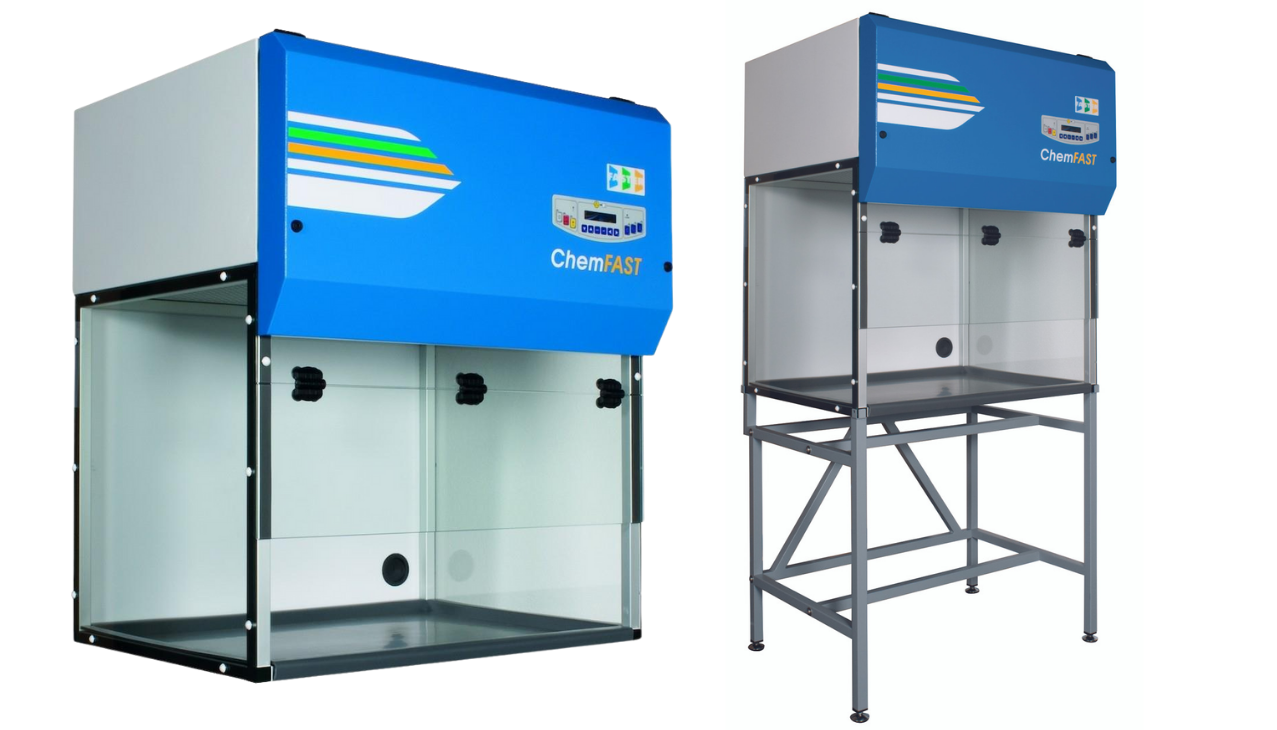
Fume Cupboards Explained: Choosing the Right System for Safe Laboratory Airflow
Maintaining a safe and compliant laboratory environment starts with effective air containment and extraction. Fume cupboards — also commonly referred to as fume hoods — are essential pieces of laboratory equipment that protect researchers and technicians from harmful vapours, gases and chemical fumes. Whether you’re planning a new lab or upgrading existing infrastructure, understanding the differences between available systems helps you make a smarter choice that supports safety, efficiency and long‑term sustainability.
What Is a Fume Cupboard and Why Does It Matter?
A fume cupboard is a ventilated enclosure that captures hazardous airborne substances produced during chemical handling or experimentation. Air is drawn away from the user’s breathing zone to reduce exposure, helping to maintain clean indoor air quality and comply with health and safety regulations like COSHH in the UK.
At its core, a fume cupboard comprises a workspace with an adjustable sash, internal baffles that guide airflow, and either a ventilation system that removes contaminants outside the building or filters that clean air before returning it to the room.
Ducted Fume Cupboards: Powerful Air Removal
Ducted fume cupboards connect to a building’s extraction system, pulling contaminated air through ductwork to an external vent. This direct method of removing fumes is often viewed as the gold standard for high‑risk laboratory environments where strong or volatile chemicals are used.
Key Benefits
- Comprehensive Safety: By exhausting air externally, they minimise the risk of fumes lingering inside the lab.
- Best for High‑Risk Chemicals: Ideal for laboratories handling large volumes of harmful vapours or corrosive substances.
- Regulatory Alignment: Typically preferred where stringent health and safety compliance is required.
Considerations
However, ducted systems also have trade‑offs. Installing ductwork and associated fans requires careful planning and higher upfront costs. They can also influence building heating and cooling loads due to continuous air extraction.
Recirculating (Ductless) Fume Cupboards: Adaptable and Cost‑Effective
Recirculating fume cupboards filter air internally using activated carbon and HEPA filters before returning it to the laboratory. These systems are often referred to as ductless, and are particularly attractive for retrofit installations or environments where external ventilation isn’t practical.
Advantages of Recirculating Designs
- Flexible Installation: Without the need for ductwork, these units are quicker and cheaper to install.
- Energy‑Efficient: They conserve conditioned air by recirculating it, reducing strain on HVAC systems.
- Mobile and Adaptable: Many recirculating cupboards can be relocated within a lab or shared between workstations.
Important Limitations
Despite their convenience, recirculating systems are not suitable for all applications. Filters must be specified correctly for the chemicals in use, and they cannot safely handle highly toxic, flammable or corrosive vapours without appropriate specification and monitoring. Regular maintenance — including filter testing and replacement — is crucial to maintain performance and safety.
Making the Right Choice for Your Laboratory
Selecting the correct fume cupboard involves more than deciding between ducted and recirculating systems. Here are key factors to weigh up:
- Chemical Types and Hazards: More aggressive substances often require the robust protection of a ducted system.
- Lab Layout and Infrastructure: Space constraints or absence of ductwork might favour a recirculating unit.
- Energy and Operating Costs: Consider long‑term running costs, including HVAC impacts and filter maintenance.
- Regulatory Requirements: Compliance with standards such as BS EN 14175 ensures your cupboard meets performance and safety benchmarks.
Fume Cupboards from Biopharma Faster
For laboratories seeking a trusted partner in airflow containment, Biopharma Faster products offer a range of high‑quality fume cupboards engineered to meet international standards. Their designs combine robust construction, intelligent airflow control and energy‑efficient operation, supporting both ducted and recirculating configurations. Whether you’re outfitting an advanced research facility or a teaching laboratory, tailored solutions ensure optimal safety without compromise.
In summary, choosing the right fume cupboard is a strategic investment in both safety and efficiency. By understanding how ducted and recirculating systems perform in different environments, and selecting products backed by industry standards — such as those offered by Biopharma Faster — laboratories can protect staff and improve workflow with confidence.
