Ensuring Success in Cryopreservation: Best Practices for Protecting Valuable Biological Samples
Cryopreservation plays a vital role across modern life sciences — from academic research laboratories to advanced biopharmaceutical manufacturing. Whether safeguarding stem cells, CAR-T therapies, embryos or microbial cultures, the ability to store biological materials at ultra-low temperatures is essential for maintaining viability and enabling future use.
However, successful cryopreservation goes far beyond simply freezing samples. It requires carefully controlled processes, reliable storage systems, and robust safety practices to ensure long-term stability and minimise risk.
This article explores the key factors that determine successful cryopreservation and what laboratories should consider when investing in cryogenic storage equipment.
What Is Cryopreservation and Why Is It Important?
Cryopreservation is the process of storing biological materials at extremely low temperatures to halt biological activity and preserve viability over extended periods. Most long-term storage systems rely on liquid nitrogen (LN₂), which maintains temperatures around −196 °C.
This capability underpins critical applications including stem cell storage, CAR-T, fertility treatment, biobanking, microbial preservation, and pharmaceutical storage.
Because these samples are often irreplaceable, maintaining consistent storage conditions is essential.
The Role of Liquid Nitrogen Storage Systems
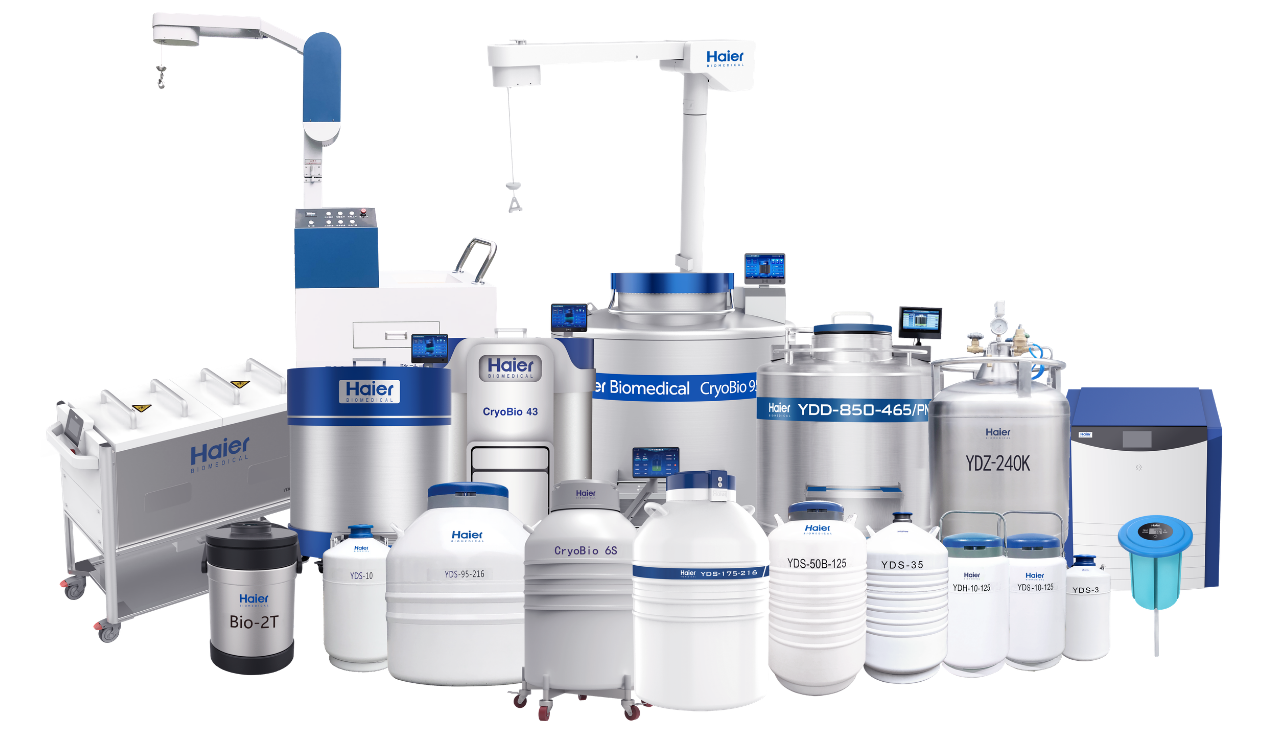
Cryogenic storage vessels or dewars maintain ultra-low temperatures while protecting samples from environmental fluctuations. Key features include vacuum insulation, temperature stability, and scalable capacity.
1. Vacuum-Insulated Construction
Most cryogenic storage tanks use a double-walled, vacuum-insulated design. This significantly reduces heat transfer from the environment, helping maintain extremely low temperatures while minimising liquid nitrogen consumption.
For laboratories managing large sample collections, efficient insulation reduces operating costs and increases the time between refills.
2. Stable Temperature Conditions
Temperature consistency is critical during cryopreservation. Even minor fluctuations can trigger the formation of ice crystals that may damage cells and compromise viability, this risk is minimized by storing valuable samples at a temperature range well below -135 or the “glass – transition stage”.
Modern cryogenic storage equipment is designed to maintain stable temperatures across the storage chamber, ensuring that samples remain protected.
3. Flexible Storage Capacity
Cryogenic storage solutions are available in a wide range of sizes, from small portable units to large tanks used in biobanks storing thousands of samples. Scalability is essential for organisations anticipating future growth in their sample inventory
Liquid vs Vapour Phase Storage
Liquid phase storage immerses samples directly in LN₂. Vapour phase storage keeps samples above the liquid in large capacity storage vessels reducing cross-contamination risk while maintaining ultra-low temperatures.
Understanding the Risks of Liquid Nitrogen
Asphyxiation Risk:
Liquid nitrogen expands rapidly into gas and can displace oxygen, creating an oxygen-deficient environment that can lead to unconsciousness or fatal asphyxiation. Adequate ventilation and oxygen monitoring are essential.
Cryogenic Burns:
Direct contact with LN₂ or cold surfaces can cause severe tissue damage. Appropriate PPE such as cryogenic gloves and face protection should always be used.
Explosion Risk:
If LN₂ becomes trapped in a sealed container for example under the cap of a vial pressure can build rapidly and cause an explosion.
Material Embrittlement:
Extreme cold can make materials brittle, increasing the risk of equipment failure.
Why Monitoring Technology Is Essential
Modern systems include automated filling, continuous temperature monitoring, remote alerts, and digital inventory tracking — all of which help safeguard valuable samples.
Best Practices for Successful Cryopreservation
Use cryoprotectants, control freezing rates (~1°C/min), maintain ultra-low temperatures, and thaw rapidly to protect cell viability.
What to Consider When Purchasing Cryogenic Storage Equipment
Key considerations include temperature stability, scalability, monitoring capabilities, safety features, and overall system reliability.
The Future of Cryopreservation Technology
Advances in automation, remote monitoring, and digital tracking are transforming cryogenic storage and improving sample security.
In Summary
Successful cryopreservation requires controlled processes, reliable LN₂ storage, continuous monitoring, and strong safety practices to protect valuable biological materials.
If you are currently looking for any Cryo sample storage products you can view our complete range HERE.
