Comprehensive Guide to Gas Detection in Laboratory Environments
Ensuring safety in laboratory settings is non‑negotiable. Many labs work with chemical reactions, compressed gases and volatile compounds that can pose serious risks to personnel and equipment if not properly monitored. That’s why effective gas detection is a critical component of modern lab safety strategies. Whether you’re responsible for a research facility, teaching lab or industrial testing environment, understanding how gas detection systems work and how to choose the right one can protect your team and keep you compliant with regulatory standards.
Why Gas Detection Matters in Laboratories
Gases used or produced in laboratories can be hazardous for a number of reasons. Some are toxic at low concentrations, others are flammable or explosive, and many are odourless and invisible, making them difficult to detect without specialised equipment. A reliable gas detection system alerts staff to unsafe atmospheres quickly, enabling rapid response to prevent accidents or long‑term health issues.
Detection systems also play an important role in meeting workplace safety regulations, such as those outlined by the Health and Safety Executive (HSE) and British Standards, which require employers to assess and mitigate risks related to hazardous substances.
Types of Gas Detection Systems
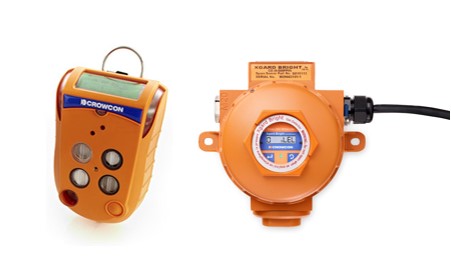
Two broad categories of gas detectors are available: fixed gas detectors and portable gas detectors. Each has its strengths and is suited to particular laboratory scenarios.
Fixed Gas Detectors
Fixed gas detectors are permanently installed at strategic points within a laboratory. These systems continuously monitor air quality and can be connected to alarm systems, ventilation controls and safety interlocks. When gas levels exceed safe thresholds, the system can trigger warnings, activate exhaust fans or even shut down processes automatically.
Fixed detectors are ideal for environments where specific gas hazards are present at all times, such as around gas storage cabinets, near reactor vessels or close to gas outlet points. Because they are part of the facility infrastructure, they provide continuous monitoring with minimal day‑to‑day interaction from staff.
However, fixed detectors need careful planning for placement and integration into building systems, including power supply and, in some cases, central control panels. They also tend to be more expensive initially than portable units due to installation and wiring requirements.
Portable Gas Detectors
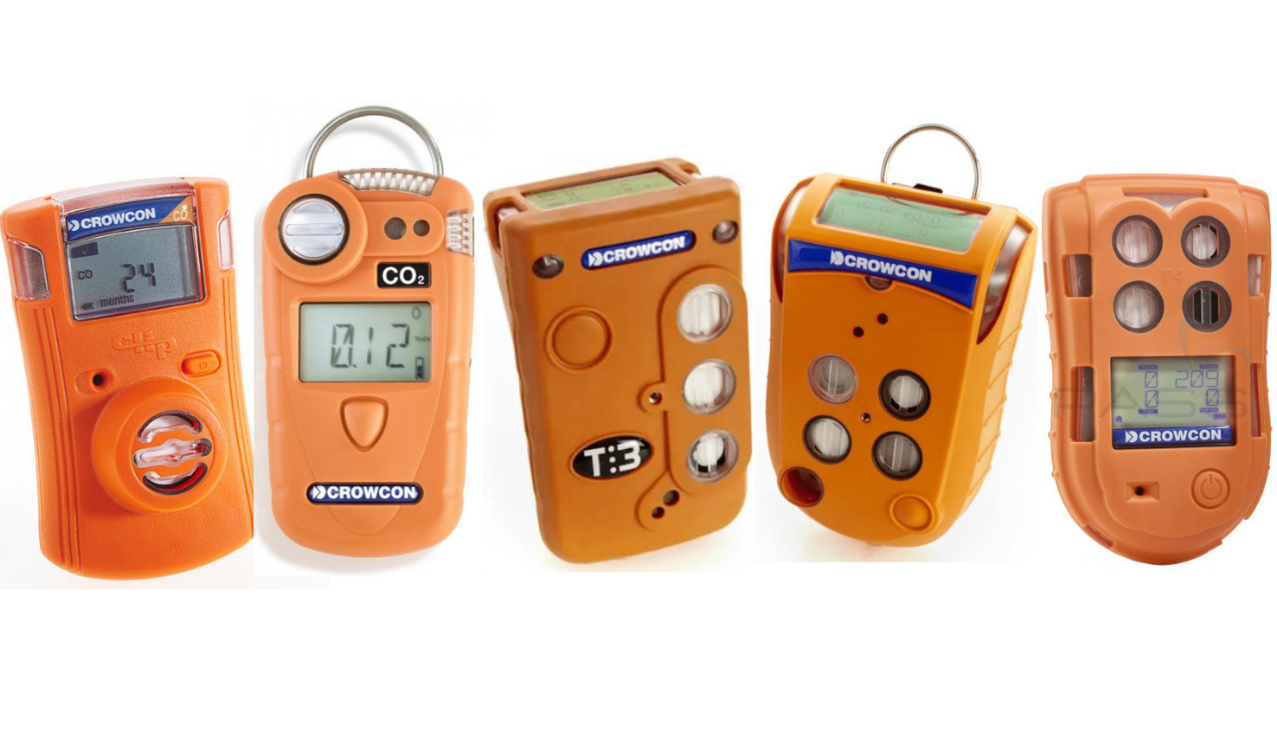
Portable gas detectors are designed to be worn by individuals or carried into specific areas where hazards might arise. These handheld or clip‑on devices constantly monitor the wearer’s breathing zone, making them essential for tasks like confined space entry, equipment maintenance, sampling procedures or when gas sources are unpredictable.
Because they move with the operator, portable detectors offer personal protection that fixed systems can’t provide. They are typically battery powered, lightweight and built to withstand the rigours of daily laboratory use. Many portable detectors also log exposure data over time, helping safety officers track incidents and demonstrate compliance during audits.
The choice between fixed and portable gas detection isn’t always binary — many labs adopt a hybrid approach, using fixed monitors for general area monitoring and portable units for personal protection or specific tasks.
Choosing the Right Gas Detector
Selecting the most suitable gas detection solution depends on the hazards present and the nature of your lab work.
Understanding the Hazards
Before choosing any detector, perform a risk assessment to determine:
- What types of gases you’re exposed to (toxic, flammable, oxygen‑depleting).
- Where leaks or dangerous concentrations are most likely to occur.
- Whether the hazard is continuous (e.g. near storage tanks) or intermittent related to specific operations.
- The number of people exposed and how they move around the lab.
This hazard analysis informs the type of detection technology you need and whether fixed, portable, or combined systems are appropriate.
Single Gas vs Multi‑Gas Monitoring
For many laboratory tasks, monitoring a single gas (such as oxygen or carbon monoxide) might be sufficient. Single gas detectors are typically simple to use, cost‑effective and ideal when the risk is well defined. In contrast, multi‑gas detectors can simultaneously monitor a suite of gases, which is crucial when multiple hazards exist — for example, during complex chemical reactions or when working with mixtures of toxic and flammable gases.
Key Features to Consider
- Response Time: The detector should react quickly enough to provide meaningful warning before dangerous concentrations are reached.
- Ease of Use: Clear alarms (audible, visual and vibration), simple controls and intuitive display screens help users respond effectively under stress.
- Durability: In busy lab environments, rugged detectors with resistance to dust, moisture and impact will last longer.
- Maintenance and Calibration: Make sure your chosen system supports straightforward calibration and regular bump testing to ensure ongoing accuracy.
- Data Logging & Management: For compliance and trend analysis, detectors with data recording and connectivity to safety management systems can add significant value.
A Closer Look: Crowcon Detection Products
For labs evaluating specific gas detection technologies, Crowcon offers a broad range of solutions, from fixed detectors to portable single‑gas and multi‑gas instruments. Their models are widely used across industries, including research and industrial laboratories, providing reliable monitoring of toxic, flammable and oxygen‑related hazards.
Examples include:
- Portable Single Gas Detectors (such as the Gasman) which are compact and ergonomic for personal protection and confined space checks.
- Advanced Portable Detectors like the UnoIQ platform offer long battery life and modular sensor flexibility, making them suitable for evolving lab requirements.
These products reflect how modern detection systems are evolving to deliver not only safety but also usability and integration with digital safety management tools.
Best Practices for Gas Detection in Labs
To maximise safety and performance from your gas detection systems:
- Train all staff in detector use, alarm interpretation and emergency response.
- Perform regular maintenance, including bump tests and calibrations.
- Review hazard assessments whenever lab processes or materials change.
- Document all testing and maintenance to demonstrate compliance with safety audits.
In summary, effective gas detection is a cornerstone of laboratory safety. By understanding the differences between fixed and portable systems, matching your tools to the hazards present and leveraging technologies that are easy to use and maintain, you can create a safer working environment for everyone in your facility.
To see our full range of Gas Monitors click HERE.
