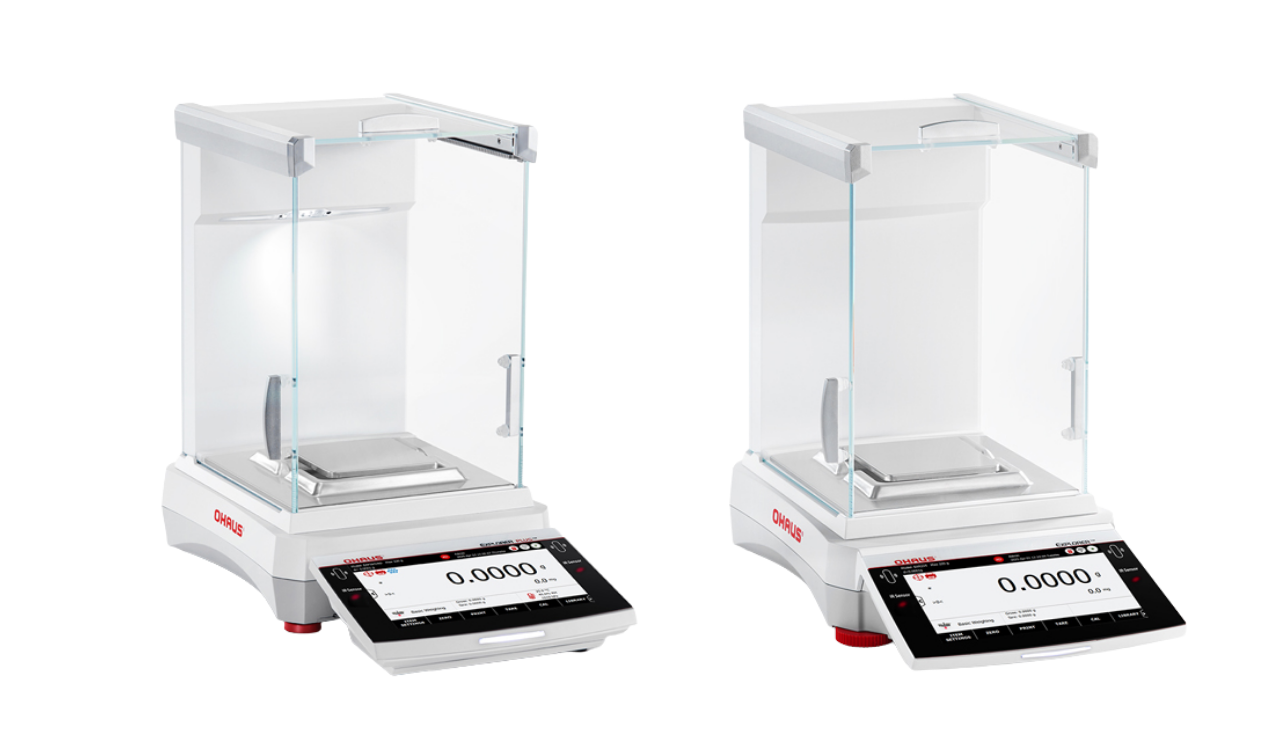
8 Causes of Instability in Analytical Balances & How to Prevent Them
Introduction
Ensuring the accuracy and precision of an analytical balance is crucial for laboratory research and quality control processes. However, several external factors can lead to instability in weighing results, affecting measurement accuracy. Understanding and mitigating these influences can significantly enhance the reliability of laboratory balances. Below, we explore the eight most common causes of instability and provide practical solutions to maintain accurate readings.
1. Temperature and Humidity Fluctuations
Issue: Changes in temperature and humidity can cause material expansion or contraction, leading to inaccurate weight measurements. High humidity may result in sample moisture absorption, affecting results.
Solution: Maintain a temperature-controlled laboratory environment between 20-25°C and a relative humidity of 40-55%. Using an HVAC system and monitoring environmental conditions with data loggers can help stabilise measurements.
2. Air Currents
Issue: Airflow from windows, doors, air conditioning vents, and fume hoods can cause weight fluctuations and instability in analytical balances.
Solution: Place balances in a draft-free location and use draft shields to protect the weighing pan. Close the draft shield gently to minimise external air disturbances.
3. Magnetic Fields
Issue: Analytical balances with electromagnetic force restoration (EFR) load cells are highly sensitive to magnetic interference, leading to inaccurate readings.
Solution: Keep balances away from strong magnetic sources, such as motors, transformers, and electronic devices. For weighing magnetic samples, use weighing below functions with a minimum 10cm distance between the sample and the load cell.
4. Electrostatic Charges
Issue: Static electricity can accumulate on sample materials, containers, and even the balance itself, causing measurement instability.
Solution: Increase the laboratory's humidity above 40% to help dissipate static charges. Use anti-static ionizers, stainless-steel tweezers, and grounding measures to neutralise static interference.
5. Vibrations
Issue: Vibrations from nearby machinery, foot traffic, or external building movements can affect the precision of analytical balances.
Solution: Place balances on a stable, vibration-resistant surface, such as an anti-vibration table or dampening mat. Position them away from heavy equipment or areas with frequent movement.
6. Heat Radiation
Issue: Heat sources, including laboratory equipment, sunlight, and even body heat, can create thermal air currents that impact balance stability.
Solution: Keep balances away from direct heat sources. Ensure the laboratory maintains consistent temperature control and consider using insulation materials to reduce heat exposure.
7. Sample Volatilisation and Moisture Regain
Issue: Temperature differences between the sample and the surrounding environment can lead to condensation, evaporation, or moisture absorption, affecting weighing accuracy.
Solution: Allow samples to equilibrate to room temperature before weighing. When dealing with volatile substances, use sealed containers or quick weighing techniques to prevent sample loss.
8. Air Buoyancy
Issue: Changes in air density due to temperature fluctuations and altitude variations can cause shifts in weight measurements.
Solution: Regularly calibrate the balance under specific environmental conditions to compensate for air buoyancy effects. Ensure the laboratory maintains stable atmospheric pressure.
Conclusion
By understanding and mitigating these common causes of instability in analytical balances, laboratories can achieve highly accurate and reproducible results. Regular environmental monitoring, proper placement, and calibration are key to ensuring precision in weighing applications.
For high-quality laboratory balances and accessories, visit HERE.
