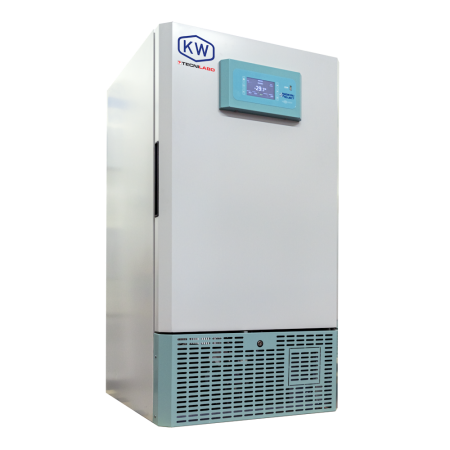
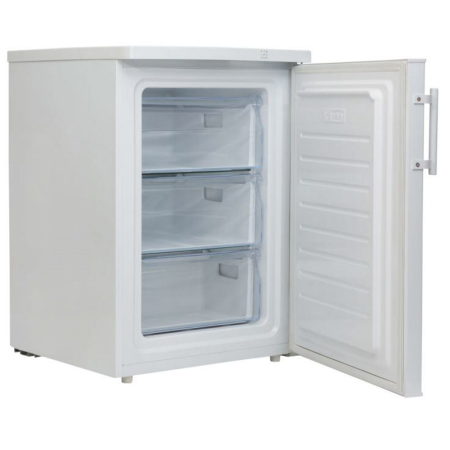
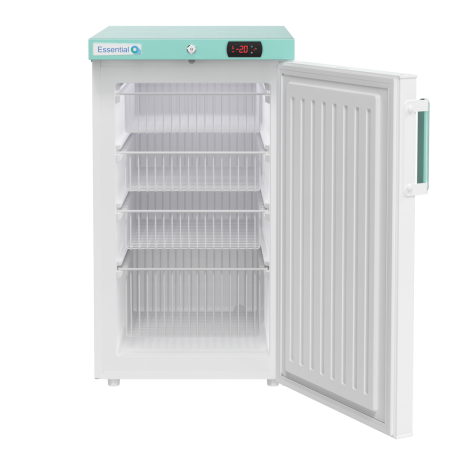
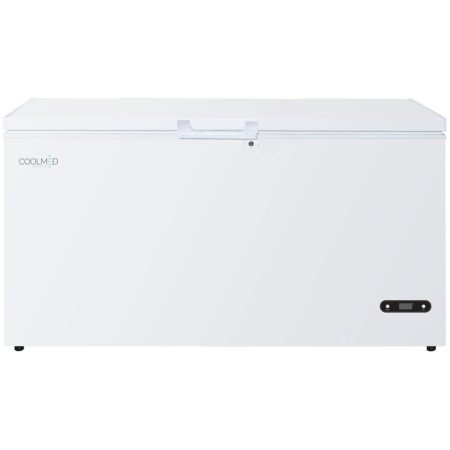
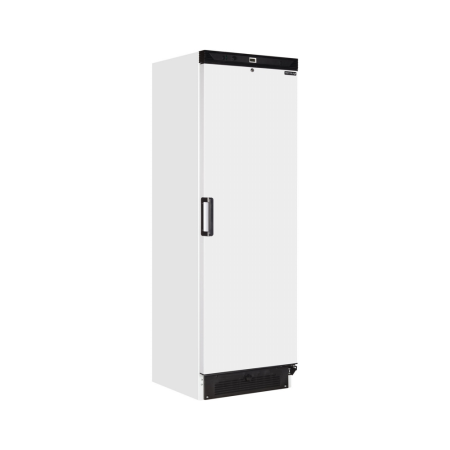
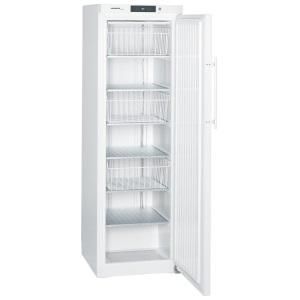
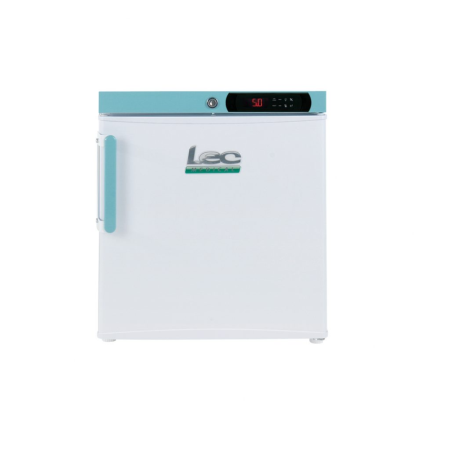
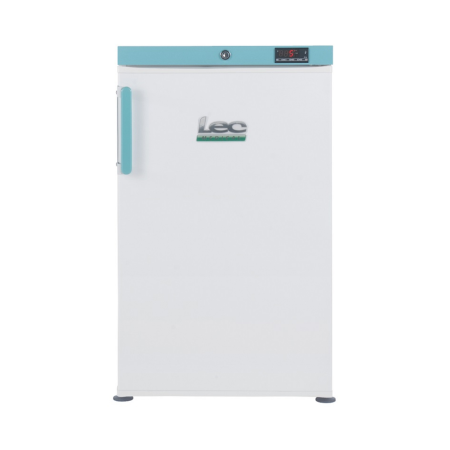
Laboratory -20°C freezers are essential for the safe and reliable storage of temperature-sensitive samples, reagents, enzymes, chemicals, biological materials, and laboratory consumables. Used across research, clinical, pharmaceutical, biotechnology, education, and industrial laboratories, they help maintain sample quality and support consistent, reproducible results. Selecting the right laboratory -20°C freezer is important for protecting valuable samples, maintaining reliable temperature conditions, improving laboratory efficiency, and meeting relevant quality or regulatory requirements.
🔍 Key Considerations When Selecting a Laboratory -20°C Freezer
1. Temperature Range and Stability
Laboratory freezers are designed to maintain controlled sub-zero temperatures, with many models operating at or around -20°C. Depending on the application, some laboratory freezers may offer an extended temperature range or adjustable temperature settings.
When assessing temperature performance, consider:
- Temperature stability during routine operation
- Temperature uniformity throughout the storage chamber
- Recovery time following door openings
- Performance under varying ambient laboratory conditions
- Accuracy and resolution of the temperature control system
Reliable temperature control is essential for maintaining sample integrity and reducing the risk of temperature-related damage.
2. Freezer Capacity and Internal Storage
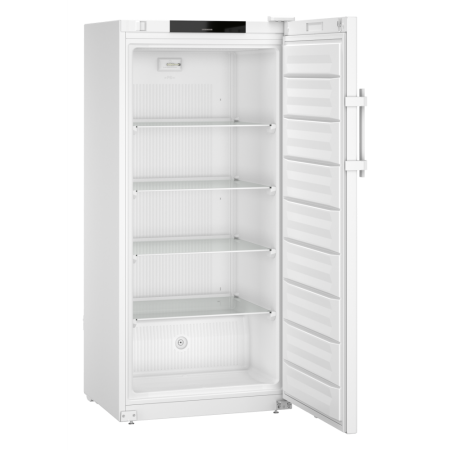
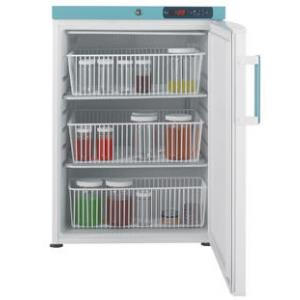
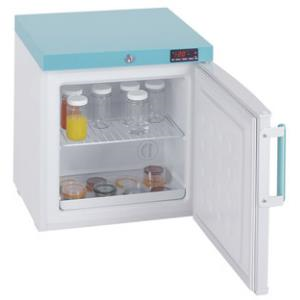
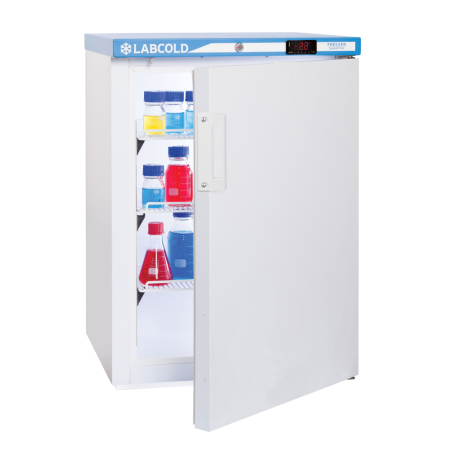
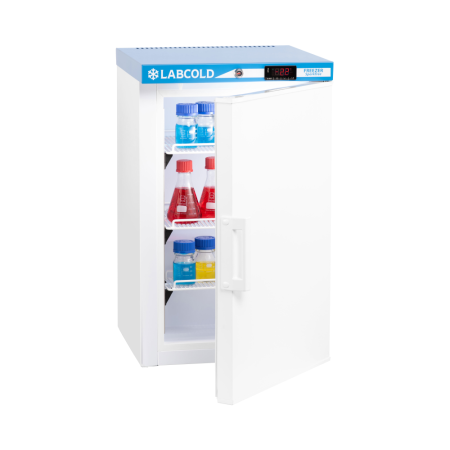
Laboratory -20°C freezers are available in a wide range of capacities, from compact under-bench models to large upright units for high-volume storage.
Key considerations include:
- Overall internal capacity, typically measured in litres
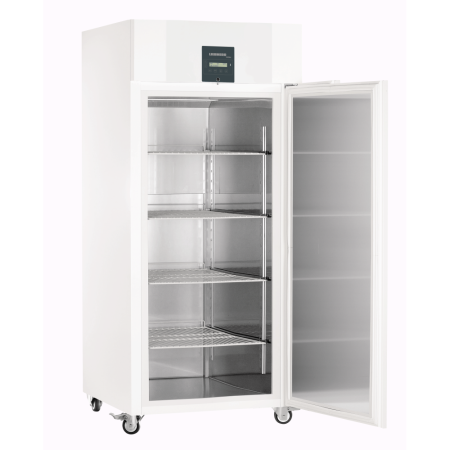
- Number and position of shelves, drawers, or storage compartments
- Adjustable shelving for different sample containers
- Compatibility with laboratory storage boxes and racks
- Available floor or bench space
Selecting the correct capacity can help prevent overcrowding while providing sufficient room for future laboratory growth.
3. Upright or Under-Bench Configuration
The configuration of a laboratory freezer can have a significant impact on laboratory layout and workflow.
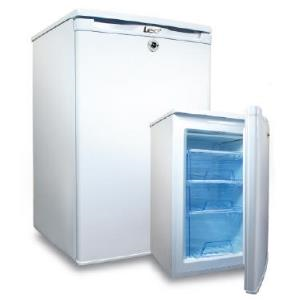
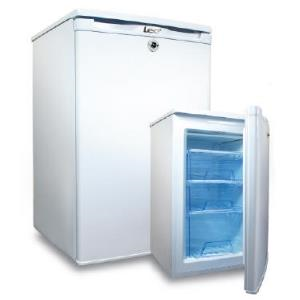
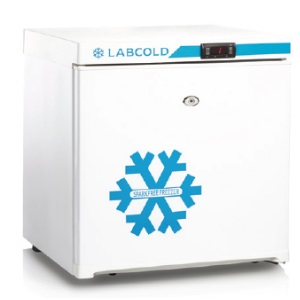
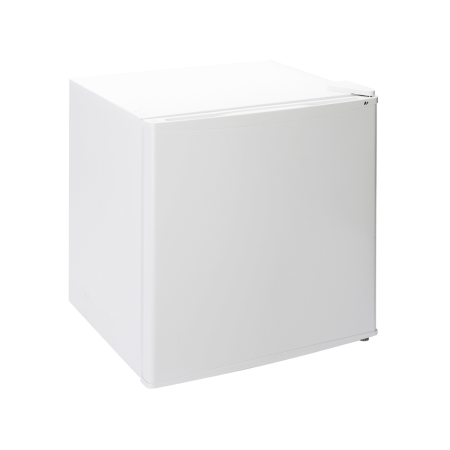
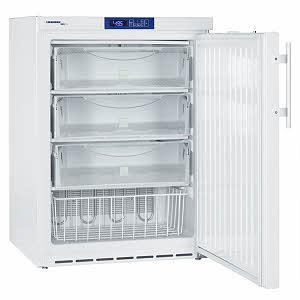
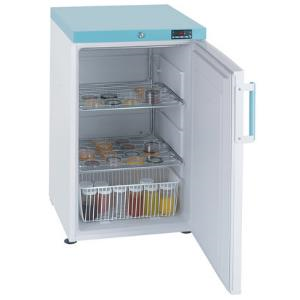
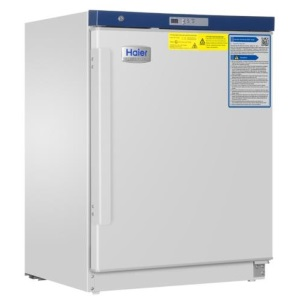
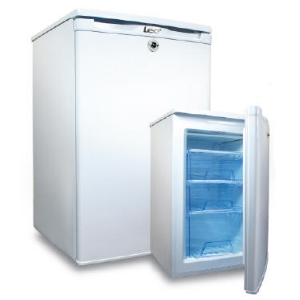
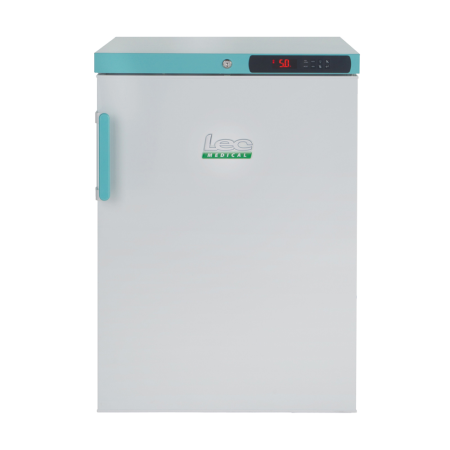
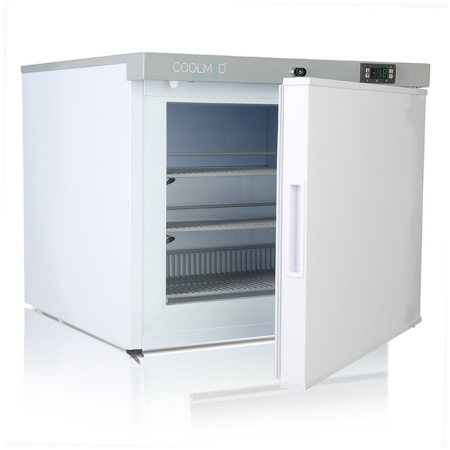
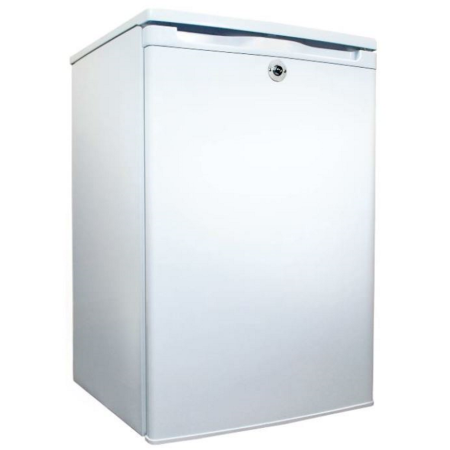
Under-bench laboratory freezers – Compact and space-saving, making them suitable for smaller laboratories or point-of-use sample storage.
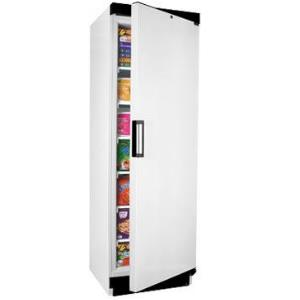
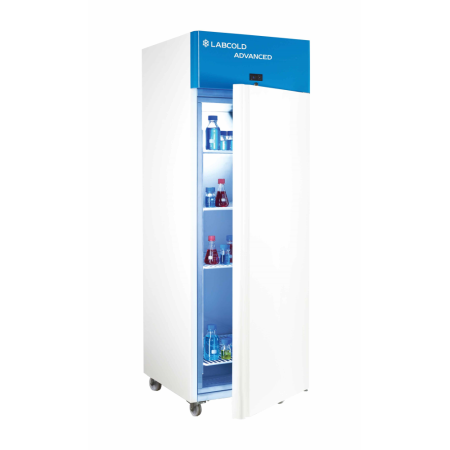
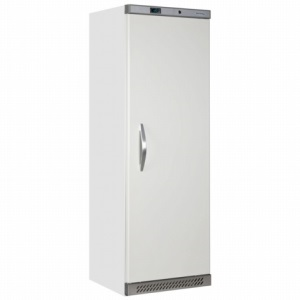
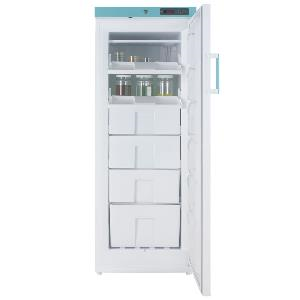
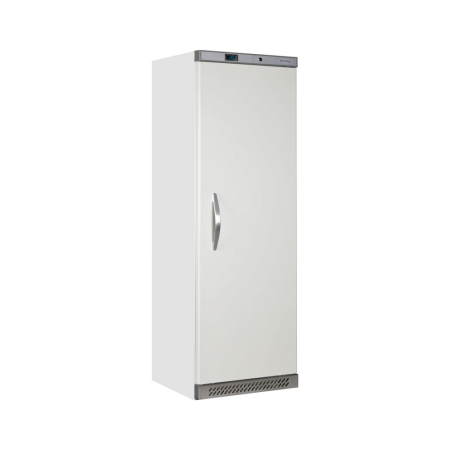
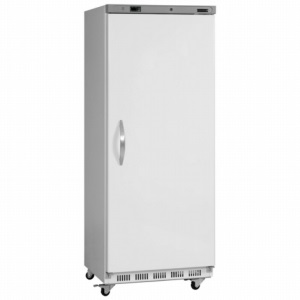
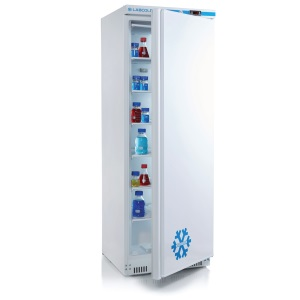
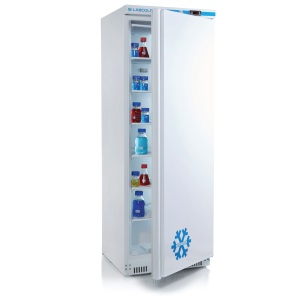
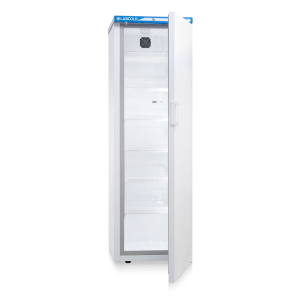
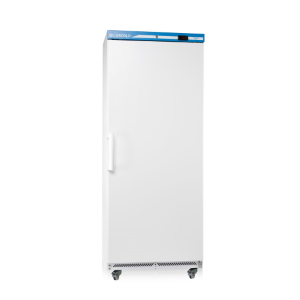
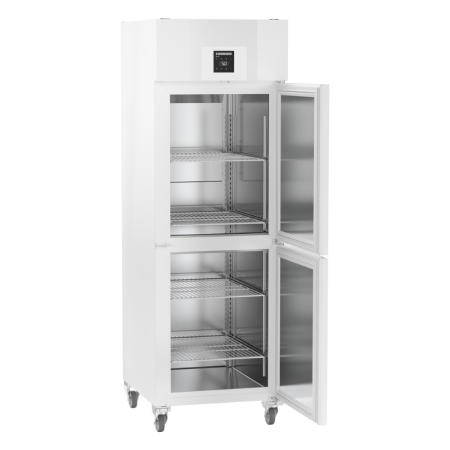
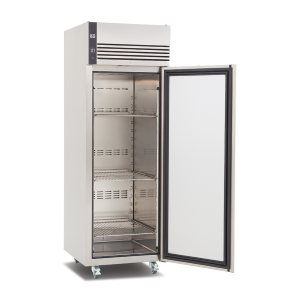
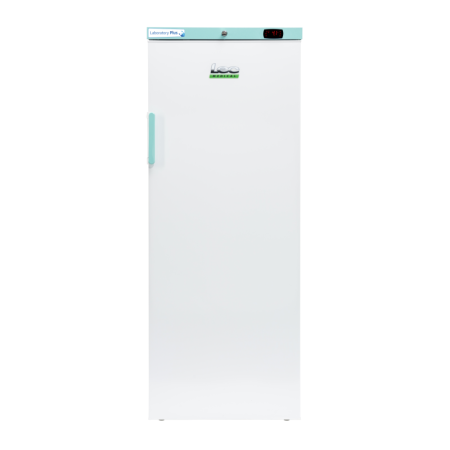
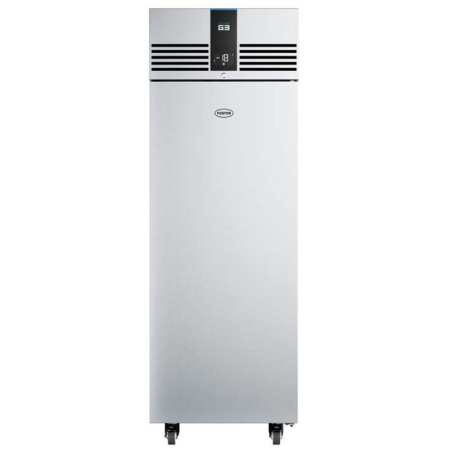
Upright laboratory freezers – Provide greater storage capacity while using a relatively small floor footprint. They are suitable for laboratories with larger sample volumes or multiple users.
The most appropriate configuration will depend on available space, required capacity, and how frequently stored materials need to be accessed.
4. Internal Organisation and Storage Options
Effective internal organisation can improve sample accessibility and help laboratories maintain accurate inventory control.
Look for features such as:
- Adjustable shelves
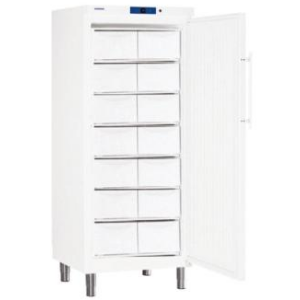
- Fixed or removable drawers
- Clear-fronted storage compartments
- Compatible storage racks and baskets
- Door shelves for smaller items
The internal layout should be suitable for the types of samples, containers, and packaging used within the laboratory.
5. Temperature Monitoring and Alarm Systems
Reliable monitoring is essential for protecting temperature-sensitive laboratory materials.
Many modern laboratory freezers include:
- Digital temperature displays
- Adjustable temperature setpoints
- High- and low-temperature alarms
- Audible and visual alarm notifications
- Door-open alarms Power failure alarms
- Remote alarm contacts or monitoring connectivity
These features can help laboratory personnel identify potential temperature issues quickly and take appropriate action.
6. Energy Efficiency and Running Costs
Laboratory freezers operate continuously, making energy consumption an important consideration when comparing models.
Look for features such as:
- High-efficiency refrigeration systems
- Improved cabinet insulation
- Energy-saving operating modes
- Efficient door seals Low-energy compressors
- Environmentally conscious refrigerants
An energy-efficient laboratory -20°C freezer may help reduce electricity consumption and lower long-term operating costs while supporting laboratory sustainability objectives.
7. Defrost System
Ice build-up can reduce usable storage space and affect freezer performance. Laboratory freezers may use either manual or automatic defrost systems.
Manual-defrost freezers may provide stable storage conditions but require planned defrosting and temporary relocation of samples.
Automatic-defrost freezers reduce the need for manual intervention and can improve day-to-day convenience. However, laboratories should consider whether automatic defrost cycles are suitable for their stored materials.
The preferred defrost system should be selected according to the application, sample sensitivity, and laboratory operating procedures.
8. Compliance, Validation and Security
Laboratories working within regulated or quality-controlled environments may require additional monitoring, documentation, or validation support.
Important considerations may include:
- GLP or GMP suitability
- Temperature data logging
- Calibration options
- Traceable temperature records
- Remote monitoring compatibility
- IQ/OQ validation documentation
- Lockable doors and controlled access
These features can support quality assurance, traceability, and compliance with laboratory procedures.
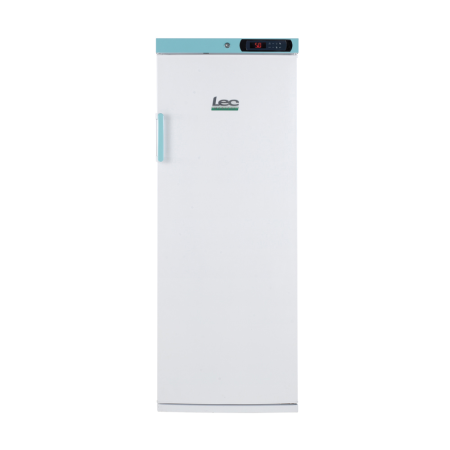
🛠 Example: CoolMed Laboratory -20°C Freezers
CoolMed offers a range of laboratory refrigeration and freezer solutions designed to provide reliable temperature-controlled storage for scientific, research, clinical, and healthcare applications.
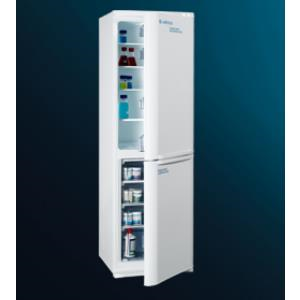
CoolMed laboratory -20°C freezers are available in a variety of capacities and configurations, helping laboratories select equipment suited to their available space and storage requirements. Depending on the model, features may include:
- Accurate digital temperature control
- Clear temperature displays
- Audible and visual alarm systems
- Adjustable internal storage options
- Energy-efficient refrigeration technology Lockable doors for improved sample security
- Compact and larger-capacity configurations
The range demonstrates the variety of laboratory -20°C freezer options available for applications requiring dependable, organised, and temperature-controlled storage.
💡 Quick Buying Tips
- Confirm that the temperature range is suitable for your samples and application
- Match the freezer capacity to current storage requirements and expected future demand
- Choose an upright or under-bench configuration based on available laboratory space
- Consider shelves, drawers, racks, and internal organisation requirements
- Check temperature stability, uniformity, and recovery performance
- Select suitable alarm and monitoring features for your laboratory procedures
- Compare energy consumption and expected long-term running costs
- Consider whether manual or automatic defrost is most appropriate
- Review validation, data logging, and security requirements where applicable
🤔 Need Expert Help?
If you are unsure which laboratory -20°C freezer is best suited to your application, please contact our sales team on sales@wolflabs.co.uk. A member of our team will be happy to discuss your temperature requirements, storage capacity, laboratory space, and monitoring needs to help you identify a suitable solution.